
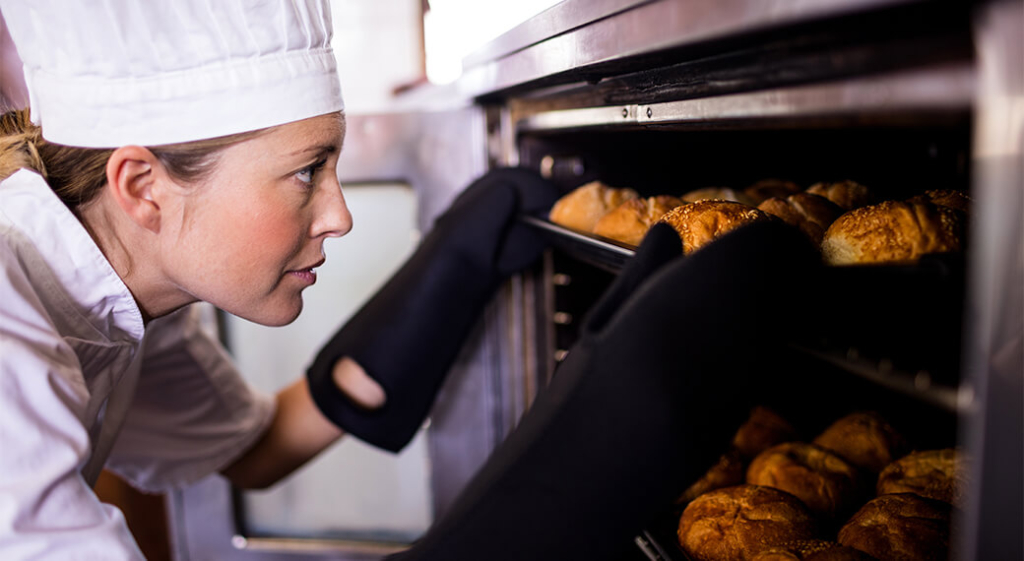

The oven rack or pan you choose greatly influences the precision and consistency of food presented to your guests. Wire, solid, or perforated surfaces change the way airflow, heat transfer, and moisture interacts and influence your ingredients. Because these distinctions affect your finished product, this short guide will help you understand each of the three primary types common in commercial kitchens and when to use them.
1. Wire Racks
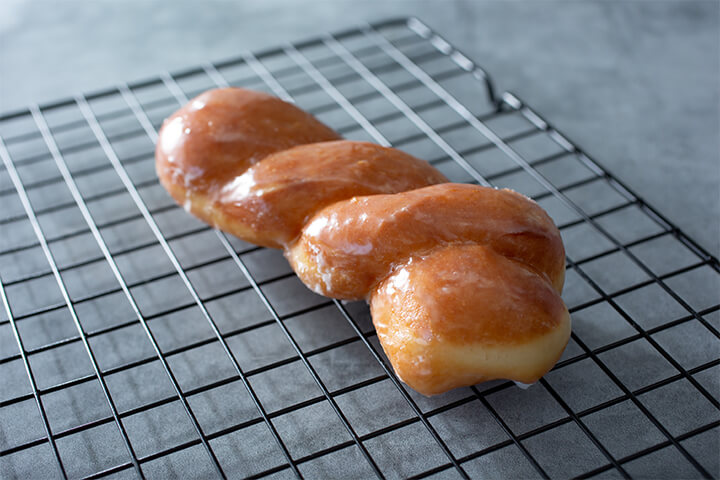
Wire racks are typically composed of heavy-gauge, nickel-plated, or stainless steel wire, and designed for maximum open space. They offer the greatest airflow around the food being cooked. The ample airflow maximizes convection heating, which ensures hot air reaches the bottom of the product. Wire racks also promote the most even top-to-bottom cooking when paired with a good convection system, reducing the need for rotation.
When to Use a Wire Rack
Bread and Pastries: Wire racks are ideal for standard loaves, baguettes, pies, and other goods that require a crisp bottom crust. The open structure of a wire rack prevents steam buildup at the base, which allows the crispness to form.
Roasting: Choose wire racks for roasts, poultry, and vegetables that are placed with a separate roasting pan or tray. Adding the wire rack into the mix ensures the bottom surface doesn’t sit in accumulated juices, allowing even browning.
Cooling: Maintain crust integrity post-bake by cooling on a wire rack.
2. Solid Sheet Pans
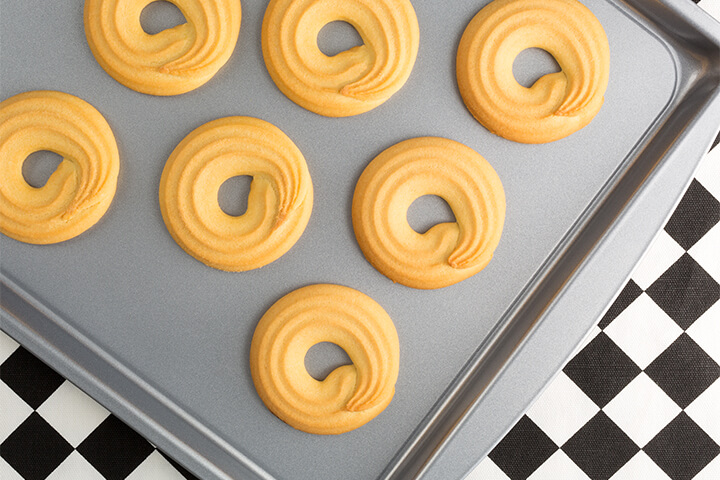
Solid sheet pans are composed of a flat metal surface, often aluminum or heavy steel, and are designed to hold the product directly on the rack or a parchment/silicone liner. This refers to using a standard, solid sheet pan as a rack, placed directly on the oven runners, and also applies to a solid shelf designed for direct placement.
The solid metal blocks airflow beneath the food being cooked, which forces heat primarily onto the top surface and edges. However, this design may create a hot spot directly underneath the center (due to conduction), and the edges may cook faster due to exposure. Solid pans require diligent monitoring and potential turning or shielding to avoid uneven browning.
When to Use a Solid Sheet Pan
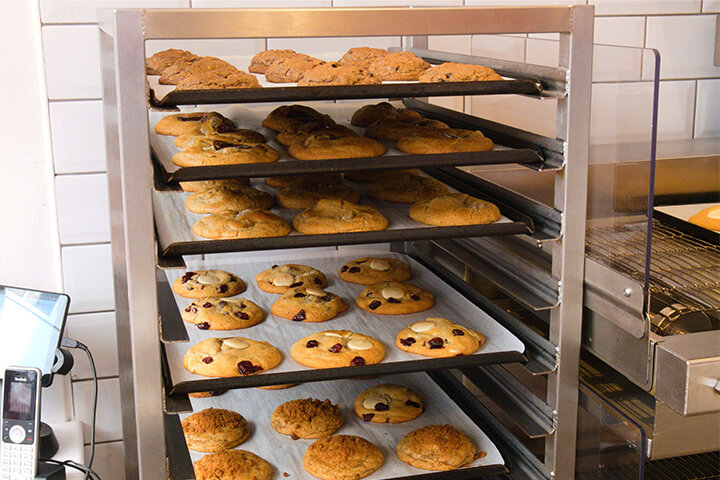
Cookies and Flatbreads: Solid pans provide a consistent, flat, conductive surface that creates uniformity and texture.
Items Requiring Controlled Bottom Heat: Useful for certain delicate items or custards where aggressive direct heat from the bottom is undesirable.
Liquid: Essential when baking items with significant run-off or liquid batter, such as bar cookies or certain tarts, to prevent drips onto the oven floor.
3. Perforated Sheet Pans
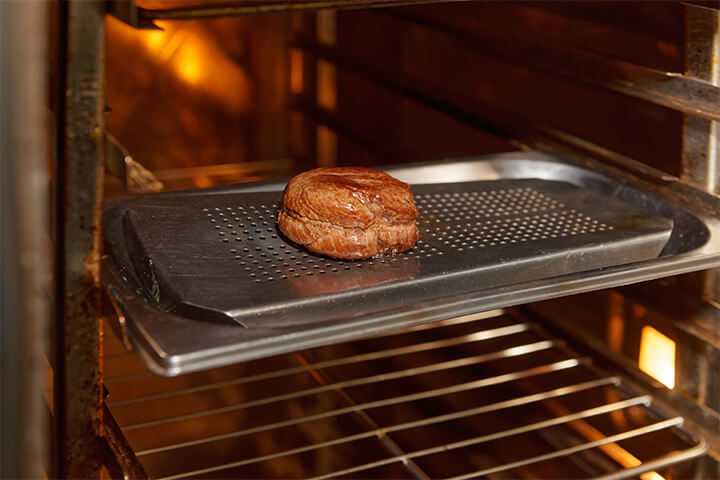
Perforated sheet pans have a flat metal surface containing numerous small, evenly spaced holes or slots that provide a balance of conduction and convection. The perforations allow steam and hot air to circulate through the rack, mitigating the steam pocket that a solid pan creates, while the metal surface still offers more support and direct heat transfer than wire.
Compared to a solid pan, perforated versions offer superior bottom crisping, resulting in a more uniform bake. Perforated sheet pans also offer better structural support than wire racks for delicate, flat items.
When to Use a Perforated Sheet Pan
Delicate Doughs and Par-Baked Items: Perforated sheet pans are ideal for items like thin crust pizzas and puffed pastry shells because they need air circulation to stay crisp but are too fragile to sit directly on wire.
Steaming/Combi-Ovens: Perforation is essential in combi-ovens where steam penetration from below is required for cooking or blanching vegetables.
Frying/Draining: Used perforated sheet pans for items that need to drip excess oil after frying (like spring rolls or fries) while still in a warm environment.
Getting the Most from Your Commercial Oven
In short, wire racks are the default for maximum evenness in convection ovens. Use solid sheet pans strictly for flat items requiring containment or specific base conduction. Deploy perforated pans when structural support is needed alongside significant bottom airflow and steam evacuation.
What is your favorite pan trick that elevates a dish a step above the norm? Let us know in the comment section!
