
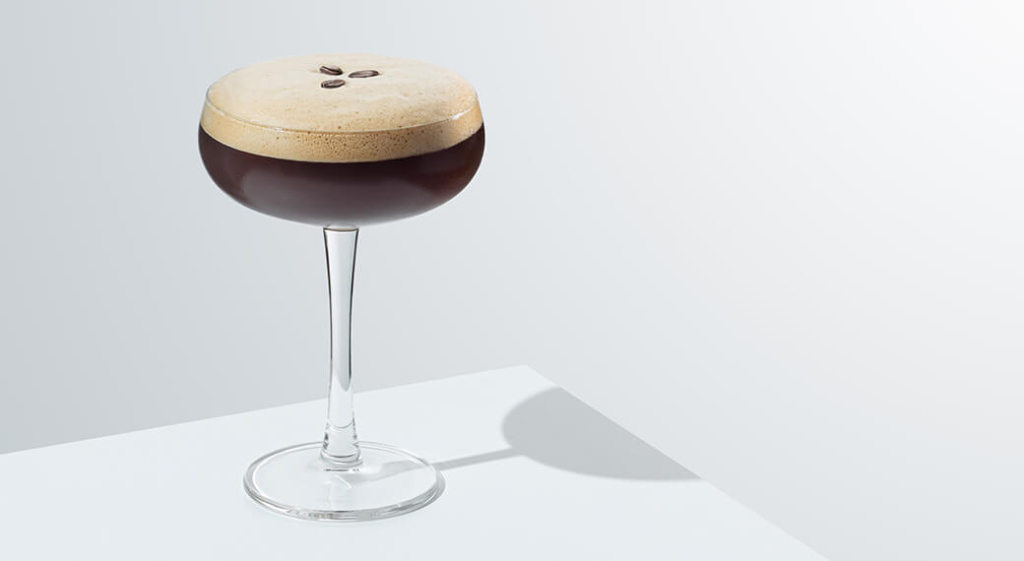

Espresso martini fans know that their drink is not complete without three coffee beans resting on top. What they tend to not know is the story behind those beans and what they represent. We lay it all out so you can wow your customers with some context and fun facts about their go-to cocktail.
Why We Cannot Shake the Espresso Martini Signature
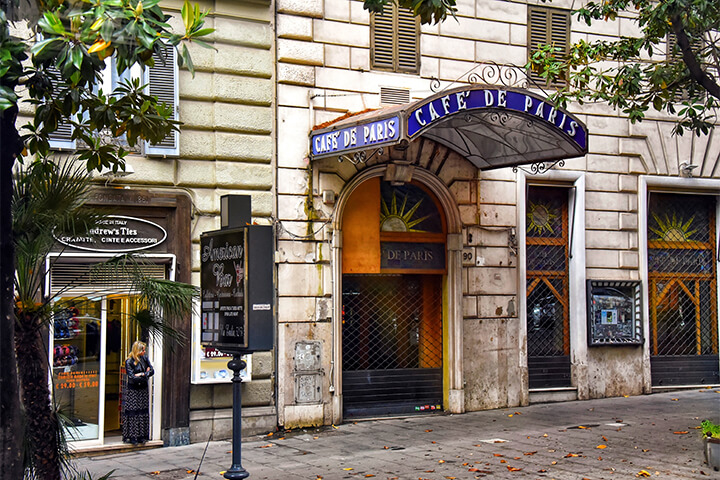
The three beans have become the universal identifier for the drink. When we go against the grain and omit them, guests question if the drink was even prepared correctly and even feel slighted. Here’s how the beans began serving as a visual signature, starting with an entirely different drink — Sambuca.
The Italian Connection
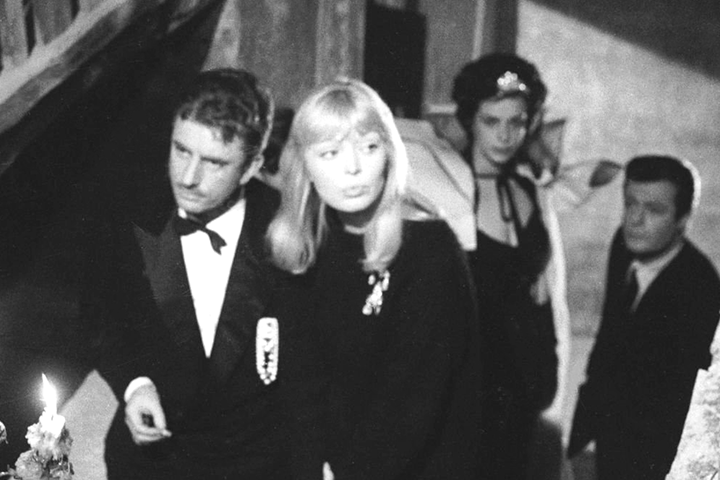
Using coffee beans as a garnish for Sambuca became a standardized element of Italian café culture in the mid-20th century. The global fascination with Italian café culture and its associated rituals was significantly amplified by Federico Fellini’s 1960 film, La Dolce Vita. The movie portrayed a glamorous, sophisticated lifestyle centered around Rome’s Via Veneto, promoting café culture as an escape for the leisure class.
According to cocktail lore, the practice of putting beans in a drink became a sensation during the filming. The story goes that several of the film’s stars were drinking Sambuca at a café on the Via Veneto. One of them jokingly dropped a coffee bean into another person’s glass and shouted, “C’è una mosca!” (There is a fly!)
This prank reportedly caught on with the socialites and paparazzi surrounding the production, helping to popularize the garnish as a symbol of the indulgent lifestyle depicted in the film.
The Great Garnish Migration
Fast forward to 1983 London, and we have Dick Bradsell at the Soho Brasserie in London inventing the first iteration of the espresso martini, or as it was known at the time, the “Vodka Espresso.”
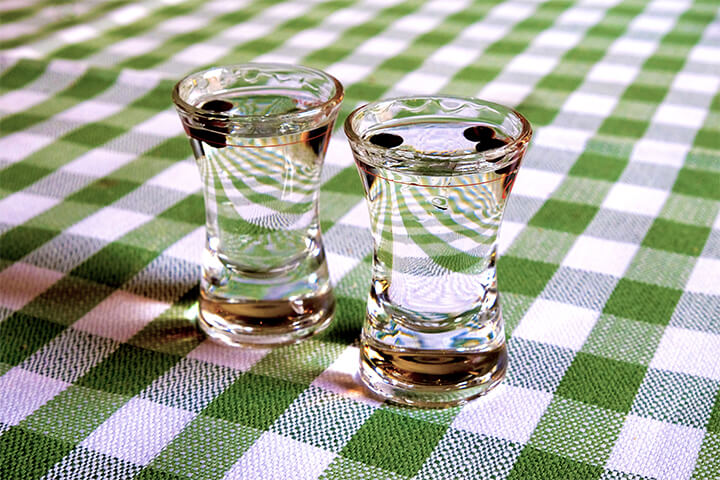
Bradsell did not initially include the three beans as a mandatory garnish. As the drink gained global popularity in the late 1990s and early 2000s, bartenders began incorporating the Sambuca tradition to emphasize the coffee profile of the cocktail. Sambuca is a clear, anise-flavored liqueur, but it is rarely served without some form of coffee accompaniment.
Roasted Beans Anchor the Espresso Martini Experience
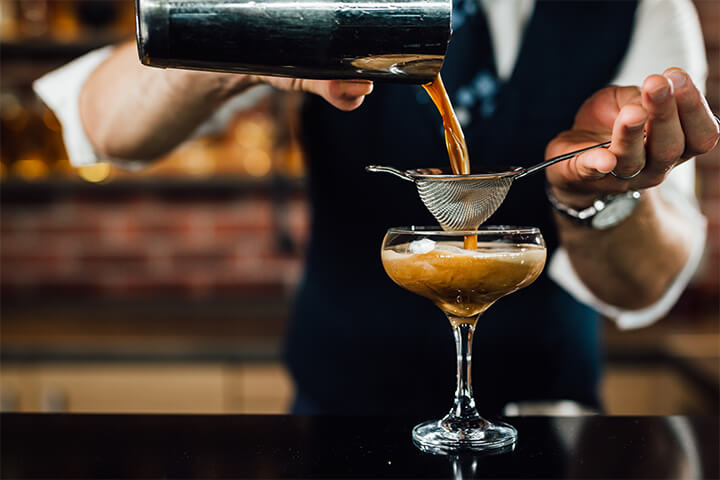
The callback to glamorous days gone by and the sheer sensibility of adding roasted coffee beans to an espresso-based cocktail perfected the drink.
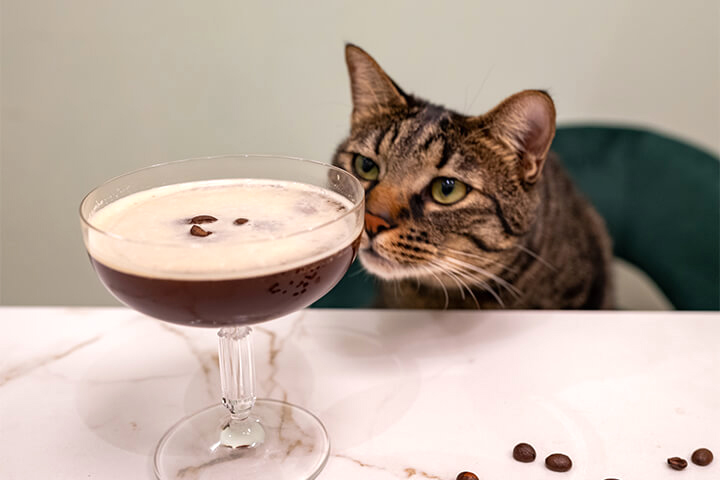
Functionally, the beans’ roasted coffee scent hits right as the guest lifts the glass. Without them, the initial scent is dominated by vodka. The beans also act to test the mixologist. If the foam is too thin, the beans will sink. Lastly, they lend a visual contrast against the pale tan foam of the cocktail for an elevated aesthetic.
The three beans also hold a deeper meaning.
Religious and Folk Origins of the Three-Bean Garnish
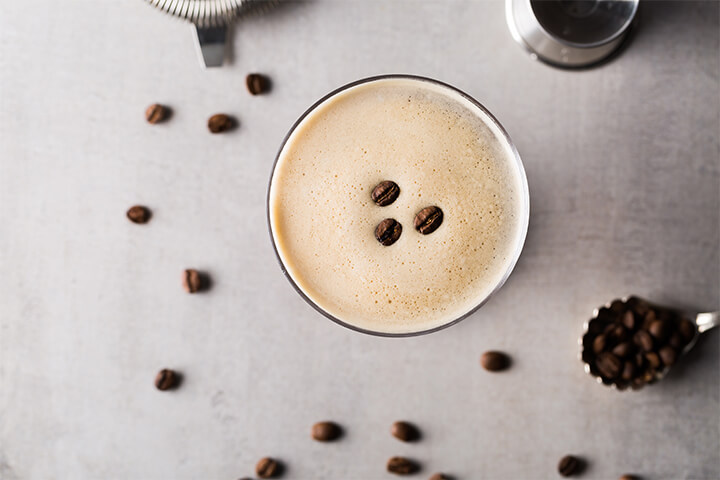
In Italian culture, the three coffee beans are both a garnish and a ritualistic element known as la mosca (the fly). To understand the three beans through the lens of Italian tradition and superstition, one must look at the specific numeric, religious, and folk meanings attached to them.
1. The Numeric Superstition
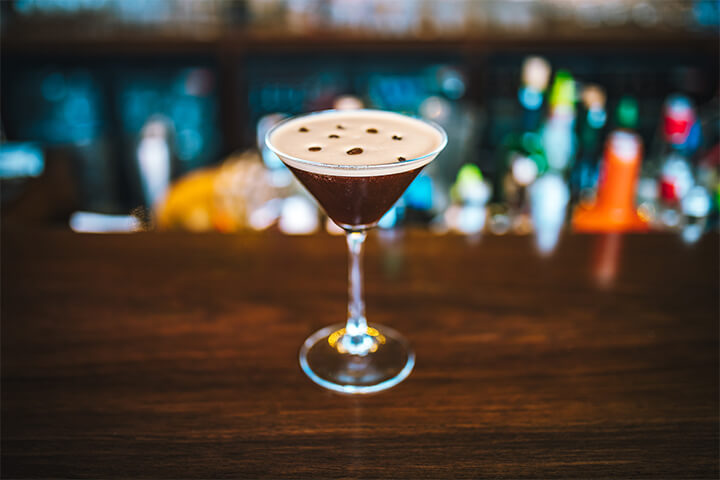
In Italian folk belief, even numbers are frequently associated with bad luck, mourning, or incompleteness. Conversely, odd numbers are viewed as auspicious and protective.
Three is regarded as the perfect number (il numero perfetto) in Italian culture, signifying balance and a beginning, middle, and end.
Serving a guest a drink with two or four beans is considered a social slight (or, perhaps, the most artful way to shade bad customers.)
2. The Triad of Blessings
When a bartender or host places three beans in the glass, they bestow three specific wishes upon the drinker. The historical triad consists of:
- Health: A wish for physical longevity and vitality.
- Wealth: A wish for financial prosperity and abundance.
- Happiness: A wish for peace and joy.
3. Religious and Spiritual Symbolism
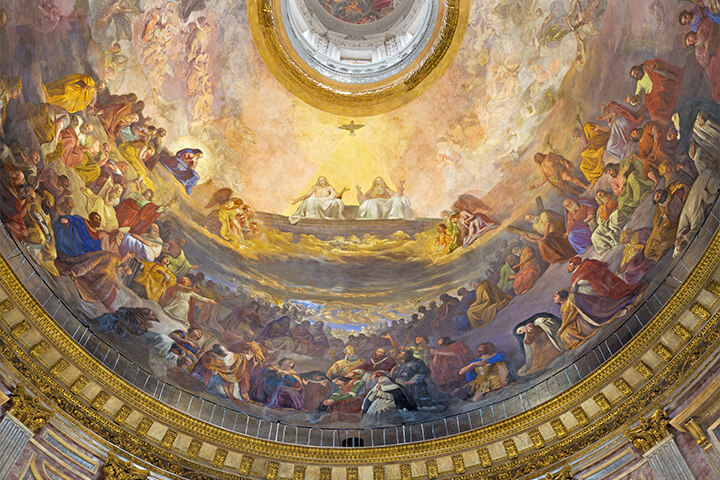
Italy’s Catholic heritage provides a spiritual layer to the garnish. The number three is an omnipresent symbol of the Holy Trinity (the Father, the Son, and the Holy Spirit).
Placing three beans is often interpreted as a subtle, secularized way of invoking divine protection or marking the drink as a complete and blessed offering.
The beans are typically placed in a triangular formation, a shape that in Italian iconography represents the “Eye of Providence” or the Trinity, reinforcing the idea of protection from misfortune.
Earn Repeat Guests Through Narrative Authority
Don’t forget to engage curious guests with a history that connects their cocktail to a bit of cinematic mischief, symbolism, superstition, and the mid-century glamour of Italy. This turns a great cocktail into an experiential transaction, curated by an expert.
