
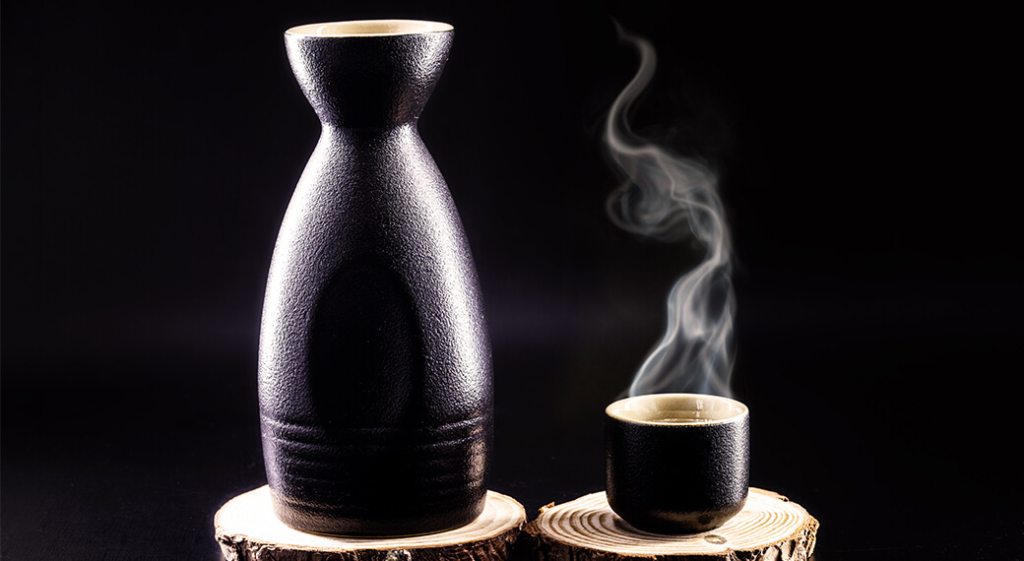

Beverages benefit from careful temperature control, but few are as profoundly affected as sake. While wine culture often stresses narrow temperature windows, sake offers an unusually wide yet specific range, from cold to steaming hot. Restaurants and hospitality operators serving sake must understand that these temperature tiers are necessary for deciding when and how to deploy professional warming equipment, as well as perfecting the guest experience.
Read on to learn about the types of sake, their ideal temperatures, and the equipment needed to accomplish successful sake service.
Sake in Japan
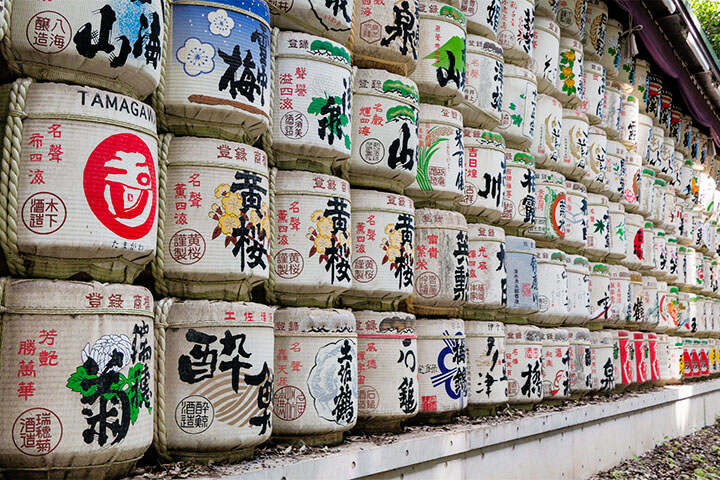
Sake occupies a central place in Japanese culture as both an everyday beverage and a ceremonial symbol of connection, hospitality, and purification. It is used in Shinto rituals, weddings, festivals, communal gatherings, and at sake-sharing Yakuza rituals, to reinforce social bonds and mark important transitions in life.
Japan uses a temperature-naming system called the Kan Scale, a set of descriptive categories that indicate specific temperature ranges for serving sake. These terms are widely used by brewers, sommeliers, and hospitality professionals in Japan.
Kan terminology is deeply tied to how sake has been historically enjoyed. Before digital thermometers, staff gauged temperatures by touch, so descriptors like “flower-chilled” were functional rather than poetic. Today, the system remains a cultural standard and a practical guide for operators who want to serve sake with authenticity and precision.
The Kan Scale
Below is the full system, from coldest to hottest, with approximate temperatures.
Chilled (Reishu 冷酒)
These terms refer to cold sake.
Yuki-hie (雪冷え) – “snow-chilled” – around 5°C / 41°F
Hanahie (花冷え) – “flower-chilled” – around 10°C / 50°F
Suzuhie (涼冷え) – “cool-chilled” – around 15°C / 59°F
Room Temperature (Jōon 常温)
While not always listed as part of the kan scale, it sits between cold and warm categories.
Jōon – “normal temperature” – 20°C / 68°F
Warm (Nurukan 温燗 )
These categories refer specifically to warmed sake and fall under the “kanzake” umbrella.
Hito-hadakan (人肌燗) – “human skin warm” – 30°C / 86°F
Nurukan (ぬる燗) – “gently warm” – 40°C / 104°F
Jōkan (上燗) – “appropriately warm” – 45°C / 113°F
Hot (Atsukan 熱燗) and Very Hot (Tobikiri 突き切り or とびきり)
Atsukan (熱燗) – “hot” – 50°C / 122°F
Tobikirikan (飛び切り燗/とびきり燗) – “extra hot” – 55°C+ / 131°F and above
How the Kan Scale Is Used in Japan
Sake menus in Japan sometimes list these terms instead of numerical temperatures. Moreover, sake brewers often recommend specific categories rather than exact degrees, because the expression of the sake shifts notably between them. Professional sake warmers in restaurants typically have presets mapped to these categories (e.g., 40°C = nurukan; 50°C = atsukan). Additionally, sommeliers and kikisake-shi (certified sake professionals) use these terms when describing ideal serving temperatures to staff.
Types of Sake and Their Ideal Temperatures
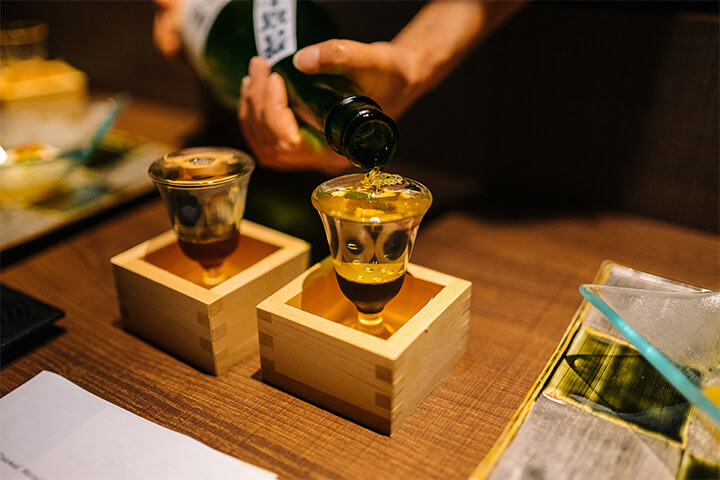
Sake styles vary by aroma intensity, rice-polish ratio, and production method. These technical differences determine how well a sake performs chilled, warm, or hot.
Ginjo and Daiginjo (including Junmai Ginjo and Junmai Daiginjo)
These premium styles emphasize ester-driven aromatics of melon, pear, and tropical notes produced through low-temperature fermentation. They show best chilled, typically between 41°F–59°F (5°C and 15°C). If served warm, their delicate aromatics disappear.
Honjozo and Tokubetsu Honjozo
These include a small addition of distilled alcohol, which lightens the body and sharpens the aroma. Honjozo styles are flexible with temperature: crisp and clean when cold (50–59°F / 10–15°C) or rounded and savory when warm (95–113°F / 35–45°C). They make ideal “house warm sake” for programs seeking versatility without sacrificing quality.
Junmai and Tokubetsu Junmai
Rice-forward, umami-rich, and typically fuller-bodied, Junmai styles are structurally capable of heat. At room temperature they show grainy, layered umami; warmed to nurukan (104°F/40°C) or atsukan (122°F / 50°C) they develop depth, softness, and length. Many classic izakaya rely on Junmai for warm and hot service because its structure remains stable across a wide temperature band.
Futsushu (Table Sake)
Everyday sake, often inexpensive and intended for uncomplicated enjoyment, is the category most commonly warmed in neighborhood eateries. It tolerates high heat (131°F+ / 55°C+) but should be monitored so bitterness does not concentrate.
How Warming Works
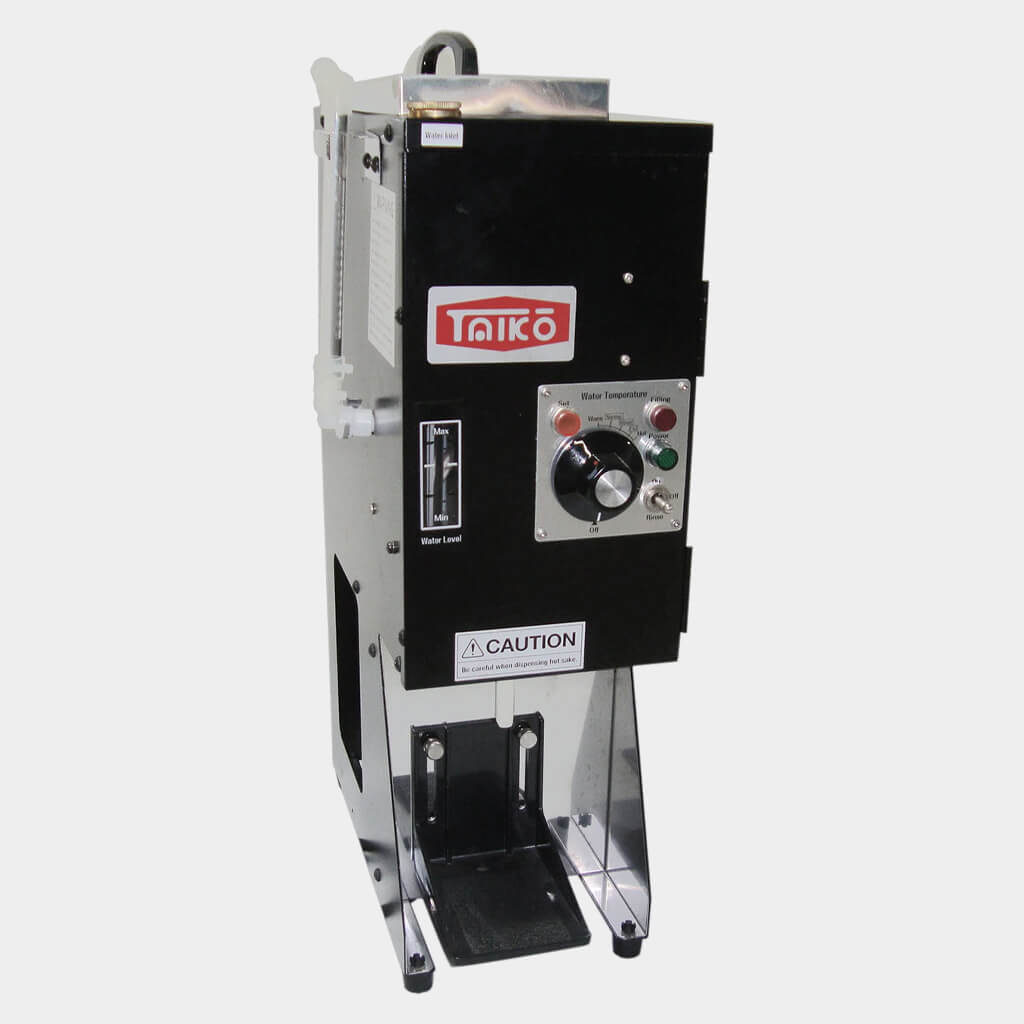
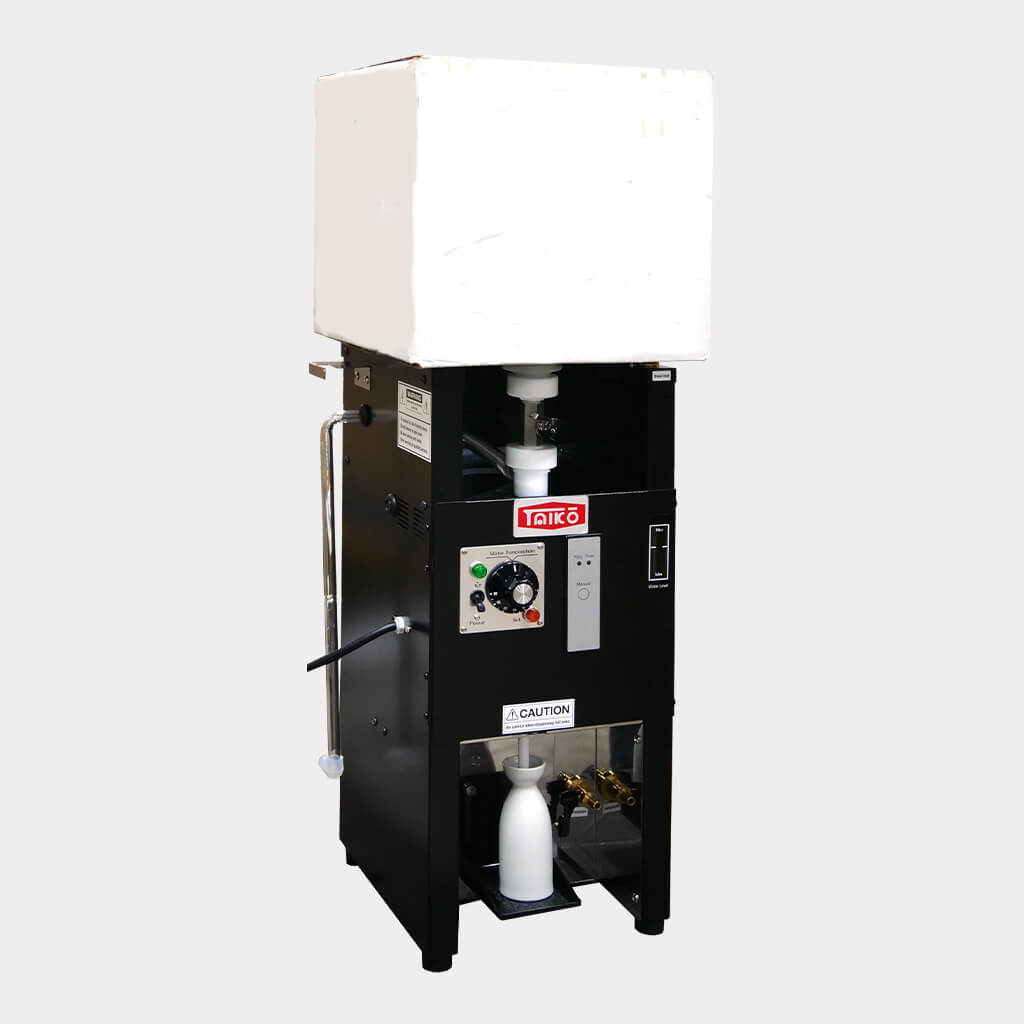
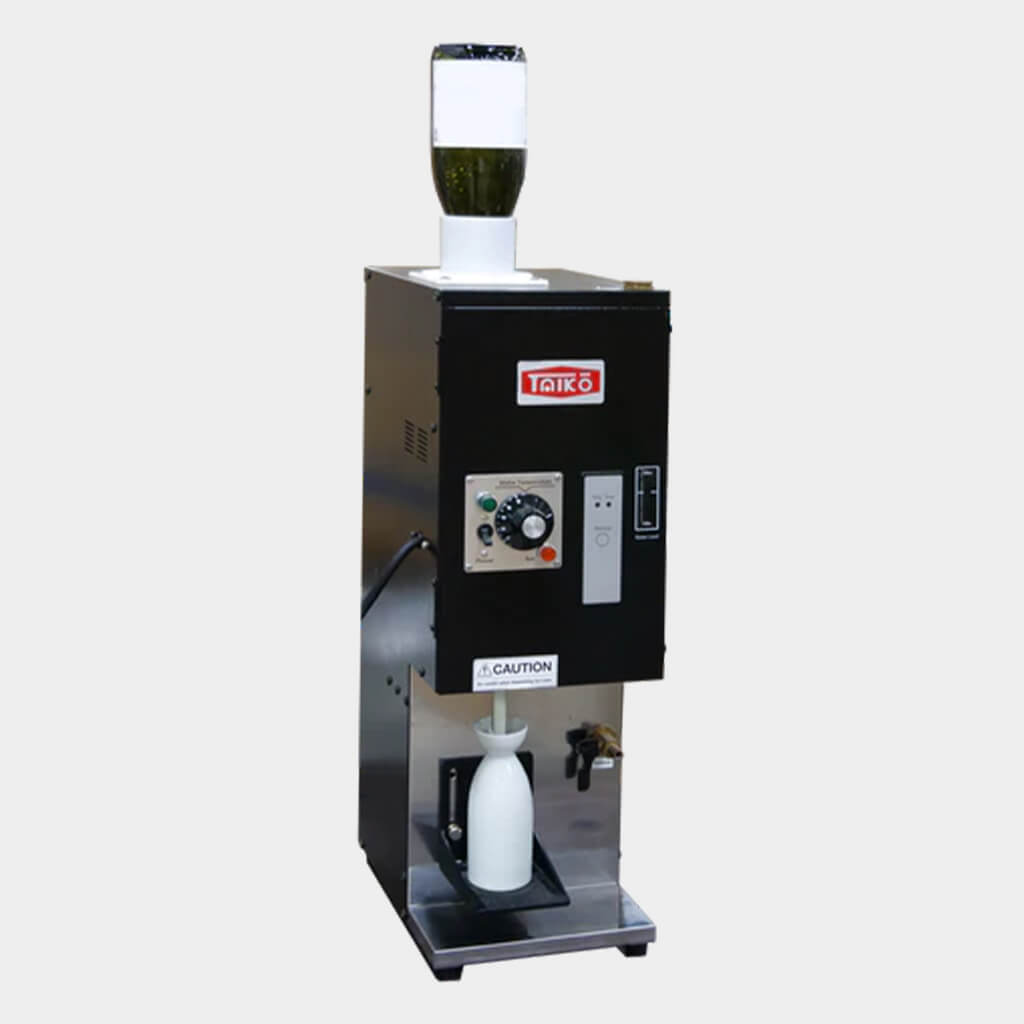
Restaurants require precision and consistency to be successful, especially at volume and during busy service. This is where dedicated sake warming machines become essential. Professional warmers heat sake through controlled thermal elements, maintaining stable temperatures across service without fluctuating or overheating.
Key considerations when selecting or using a warming machine:
- Temperature precision: Machines with multiple presets (e.g., 40°C, 45°C, 50°C, 55°C) let staff hit traditional temperature points reliably.
- Flow-through heating: The most effective commercial models warm sake as it is dispensed, preserving freshness and preventing oxidation from prolonged heat exposure.
- Speed of recovery: For high-turnover bars and izakaya-style operations, machines that return to target temperature within seconds after each pour prevent service delays.
- Sanitation access: Easy-clean reservoirs and stainless-steel internals are a must for compliance and taste integrity.
- Consistency: A dedicated machine ensures every pour tastes the same. Manual water baths cannot guarantee precision during peak hours.
Ultimately, while the appeal of warming in a hot bath remains strong, modern hospitality environments benefit significantly from equipment built for accuracy and consistency.
Design a Temperature-Based Sake Flight
A sake flight based on temperature educates and entertains guests, while upselling and showcasing the versatility of your program. The key is choosing styles that demonstrate clear distinctions across temperature ranges. When designing the flight, ensure vessels match the intent: glass for chilled precision, ceramic for warmth. Present temperature readings for each pour; professionals and enthusiasts appreciate clarity.
1. Start Cold (50°F / 10°C): Ginjo or Daiginjo
Begin with a chilled aromatic sake that shows refinement and floral or fruity aromas. Use stemware to emphasize lift. This sets a baseline for “cold expression.”
2. Move to Room Temperature (68°F / 20°C): Junmai or Tokubetsu Junmai
Room-temperature sake demonstrates umami and grain character without the softening effect of heat. Guests can sense how structure shifts even without adding warmth.
3. Introduce Warm (104°F / 40°C): Warmed Junmai or Honjozo
Use your warming machine to hit nurukan precisely. This stage illustrates how savory notes expand and textures become rounder. It is also an opportunity to highlight your warming system’s consistency.
4. Finish Hot (122°F or higher / 50°C): Honjozo or Futsushu
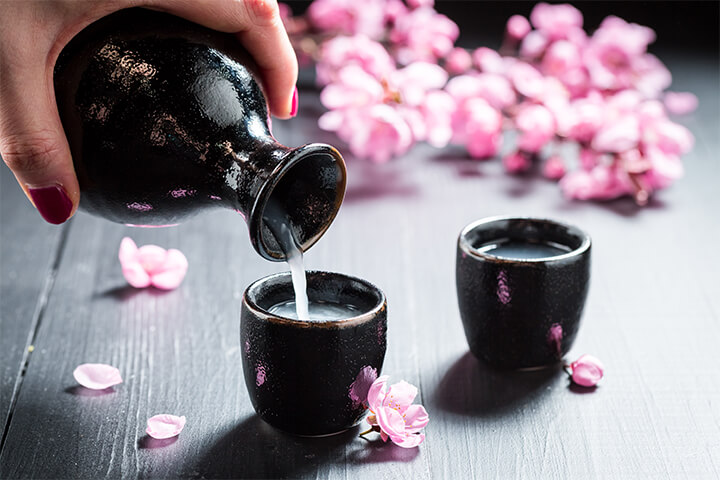
Conclude with atsukan, a satisfying, food-friendly style that holds up at higher heat. Present it in stoneware to underscore the cultural element.
Kanpai!
High-quality cold storage, precise sake warmers, and staff who understand why temperature matters can transform sake from a commodity bottle to a revenue-driving signature element of beverage service. Warm sake, in particular, benefits from machinery that delivers tradition, quality, and reliability.
