

In many US states, a Class B (Beer and Wine) license is significantly less expensive, easier to obtain, and subject to fewer operational restrictions than a Class C (Full Liquor) license.
For restaurants and cafes that only hold beer and wine licenses, agave wine provides a direct, compliant pathway to significantly expanding adult beverage programs. Agave wine is an ideal substitution for tequila, which gives operators a chance to add classic favorites like margaritas and palomas to their menu … without the cost, complexity, and time that comes with obtaining and maintaining a full liquor license.
What Is the Difference Between Agave Wine and Tequila?
While both agave wine and tequila are made from Blue Weber agave plants, their production processes differ. Tequila is fermented and filtered, then heated in a still to concentrate the alcohol. It is legally classified as a high-proof distilled spirit that requires a Class C license to serve.
On the other hand, agave wine is fermented and filtered, but not distilled. Its profile is sweeter and lighter than tequila and contains significantly less alcohol.
While it is legally classified as a specialty wine product for regulatory purposes, functionally speaking, agave wine has a spirit-like flavor and is a “healthier” substitution for tequila, which aligns with wellness trends operators are seeing across nearly all customer demographics.
Access the Top Cocktail Category
Agave wine allows restaurants with only a wine and beer license to immediately capture market share from the most requested category of cocktails: those derived from tequila.
Here are some of the most popular drinks to replicate or spin.
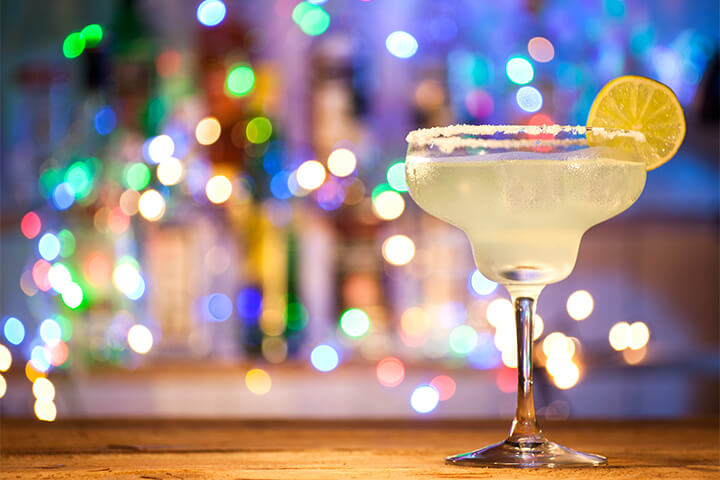
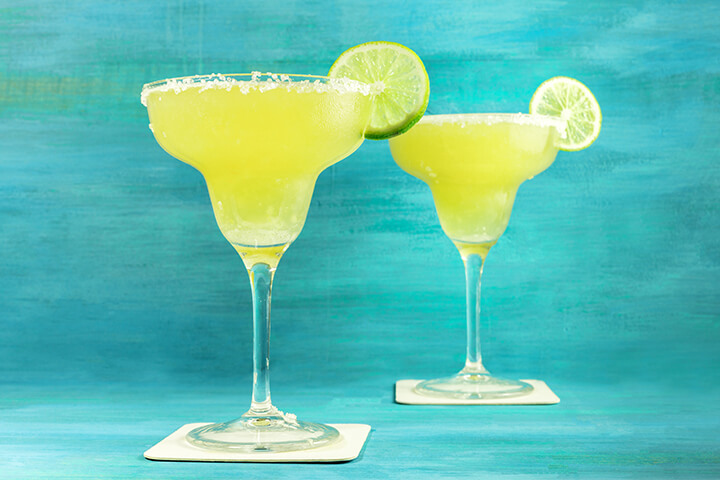
Margaritas
This incredibly popular cocktail commands a high price point and margin compared to standard draft beer or house wine pours. Operators can expand this further by creating a tiered pricing structure that offers fruit variations and spicy versions.
Agave wine is often pre-flavored to mimic tequila’s specific profile (e.g., Blanco or Reposado notes) and can be mixed directly with house-made fresh lime juice, orange liqueur alternatives (if also wine-based), and simple syrup.
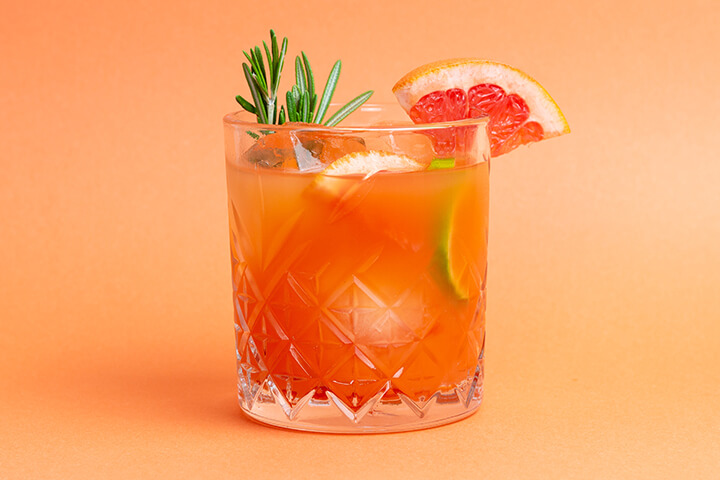
Palomas
The simple combination of an agave wine base, grapefruit soda, and lime juice provides a refreshing, crushable option that appeals to guests seeking lighter, less sweet alternatives to a Margarita. This drink typically has a low ingredient cost and high speed of service.
The structural integrity of the Paloma depends heavily on the quality and carbonation of grapefruit soda and the acidic lift of fresh lime juice. The goal is to serve a refreshing drink where the agave notes are present but do not dominate.
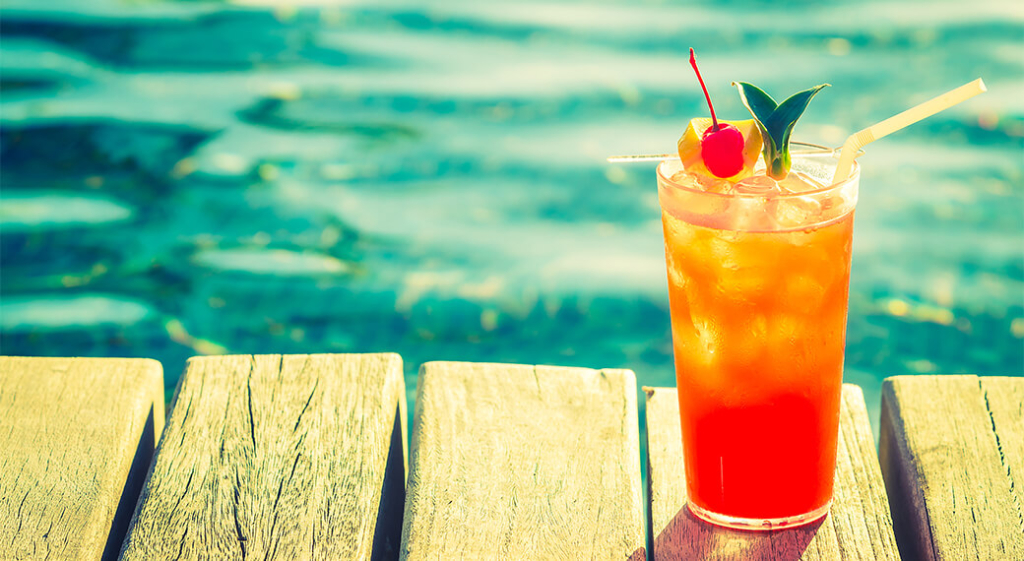
Tequila Sunrise
These visually pleasing cocktails combine the agave wine base with orange juice and grenadine.
The grenadine’s higher density causes it to sink and slowly rise through the orange and agave mixture, creating the iconic red-to-orange gradient. This modification allows for the delivery of the drink’s recognizable presentation and sweet, fruity profile without the use of distilled spirits.
Ranch Water
For the most health-conscious drinkers, a simple mix of agave wine, fresh lime juice, and sparkling water offers a low-calorie, low-sugar option. Add bright, fresh garnishes to beautify its presentation and to support the health narrative.
Signature Drinks
Instead of strictly mimicking cocktails, use agave wine’s slightly sweeter and milder profile as an ingredient base for flavor infusions and spritzes. Since agave wine takes well to fresh fruit and herb infusions, operators can offer seasonal twists like a Spicy Mango Agave Cocktail.
Tequila Classics, Now With 50% Less Regret
As mentioned, the properties of agave wine can be marketed as a health benefit to meet today’s consumer demands for wellness options across all categories. If this trend resonates with your guests, here are ways to frame the drinks to support a health narrative.
- Low-ABV alternatives: Market the drinks as “lighter cocktails” or “low-proof sips.” This appeals to consumers who are moderating their alcohol intake or looking to enjoy more than one drink without the potency of a full-proof spirit.
- Highlight the “clean” factor: Many agave wines are made from 100% Blue Weber Agave, are gluten-free, and contain no added sugars or artificial ingredients. Highlighting this aligns with health and wellness trends.
- Tell the wine’s story: Focus your storytelling on the agave wine’s journey from plant to glass, highlighting terroir, production methods, sustainability efforts, and the people behind the wine.
In general, remember that authenticity outshines excessive polish. Your marketing should reflect the rustic, natural beauty of the agave plant, its land, and the care given to its production.
An Operational Loophole That Serves
Move beyond the barrier of bureaucracy and concentrate on the bottom line. Agave wine is the high-return menu solution that is legally sound, operationally simple, and demonstrably popular. Cheers to regulatory arbitrage!
