
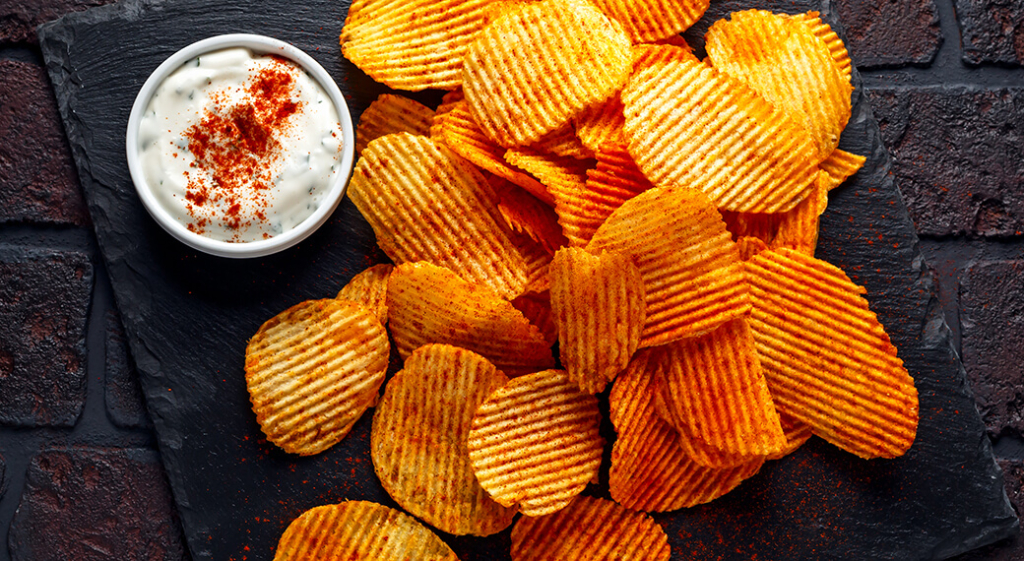

Global food and beverage flavor trends used to move slowly and often predictably. They followed people with passports, platforms, and purchasing power. Now, with the integration of AI, the mechanics of influence have changed.
Pre-Data Discovery
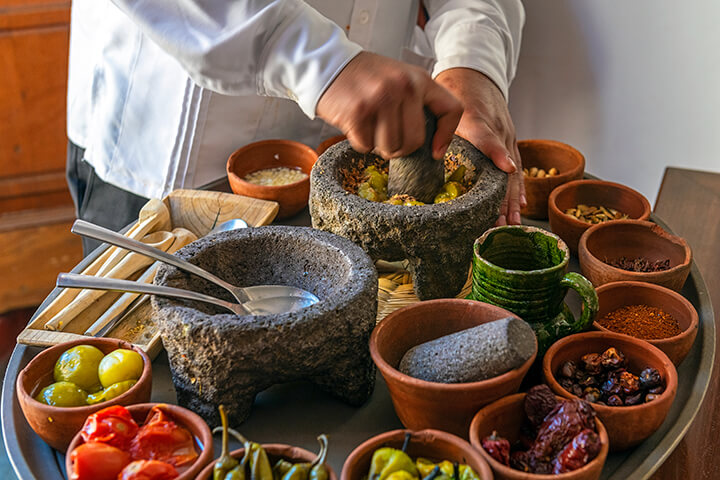
Previously, flavor trends that for instance, traveled from Oaxaca to a snack aisle in Ohio, were largely chef-driven. In upscale kitchens, chefs with the resources to experiment would spend months obsessing over a single ingredient. For instance, sea buckthorn began popping up in fine dining everywhere thanks to a handful of influential Nordic chefs like René Redzepi and his restaurant, Noma, that showed the world the value of this ingredient.
Street Food and the Bourdain Effect
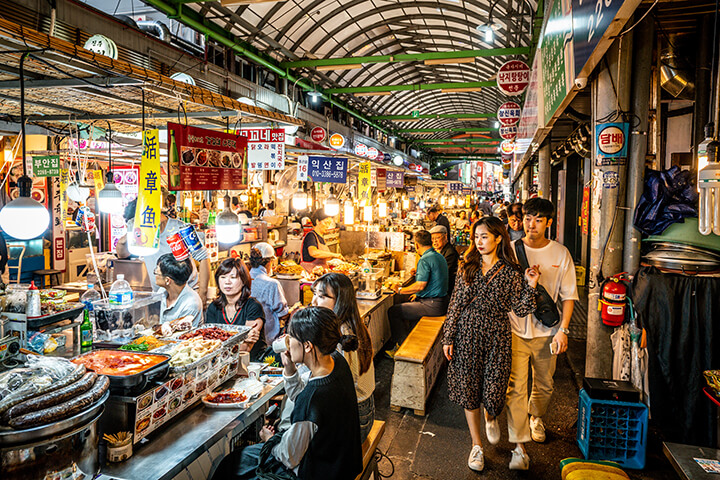
Once an ingredient or technique moved from fine dining to the mainstream media, it became accessible. Personalities like Anthony Bourdain, Rick Bayless, and Andrew Zimmern introduced audiences to street food and regional specialties from across the globe. The foreign became familiar, which created a market for those flavors in specialty grocery stores and restaurants. If a respected chef put yuzu, gochujang, or harissa on a menu, it validated the ingredient for broader adoption.
Simultaneously, the industry relied on intuitive cool hunting: professional trend spotters hopping around the globe to find the next big thing. Trend scouts traveled to observe street food, night markets, youth culture, and fringe dining scenes. Then, they translated what they saw into reports for big brands.
Narratable Flavors
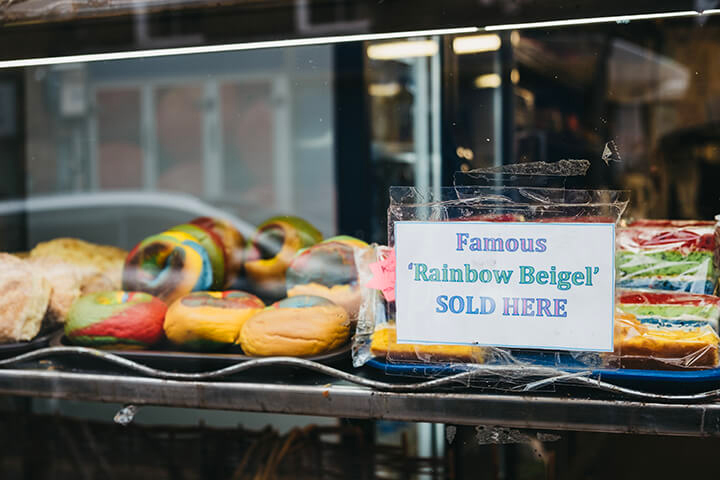
When Instagram’s influence skyrocketed, the look of a dish became just as important as its flavor notes. A purple ube latte could go from a single café in Manila to a global phenomenon in a matter of weeks because of its aesthetics. Trends shifted towards bright colors, high-contrast dishes, and easily narratable flavors like charcoal buns or rainbow bagels.
How Data Predicts the Next Global Flavor Trend
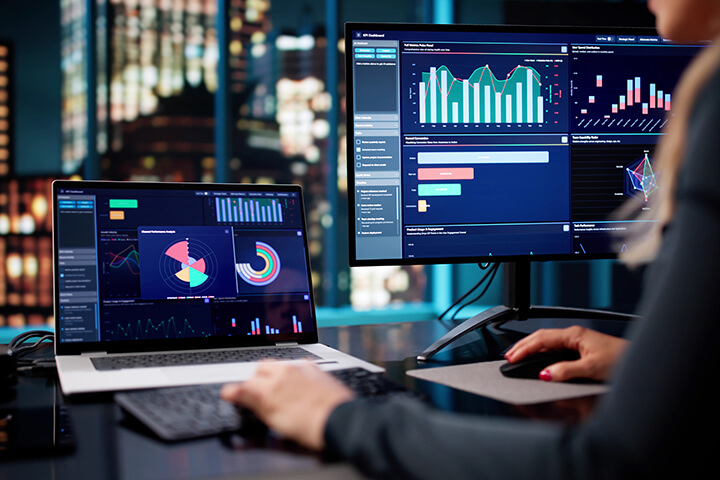
At present, artificial intelligence is the primary engine behind how flavor trends move across the globe. AI has replaced the cool hunter with predictive whitespace analysis.
Algorithms Are Eating the Menu
Large-scale AI platforms scrape billions of data points every day so that companies can predict trends before they even qualify as trends. Data points can include everything from digitized restaurant menus and geospatial foot traffic to discord servers and recipe blogs.
Out of the hundreds of sources, AI scraping is increasing the most from the data points due to their high-signal density and real-time nature:
- TikTok & Instagram reels
- Quick-commerce & delivery apps
- TikTok shop product listings
- Geospatial & satellite imagery
- Molecular & scientific databases
Trends no longer have to start in Paris or Seoul. For instance, an AI model might detect a sudden spike in interest for a specific Ethiopian spice blend among home cooks in Seattle and determine that it has high “transferability” to the snack market in Germany.
The Gut-Health Premium
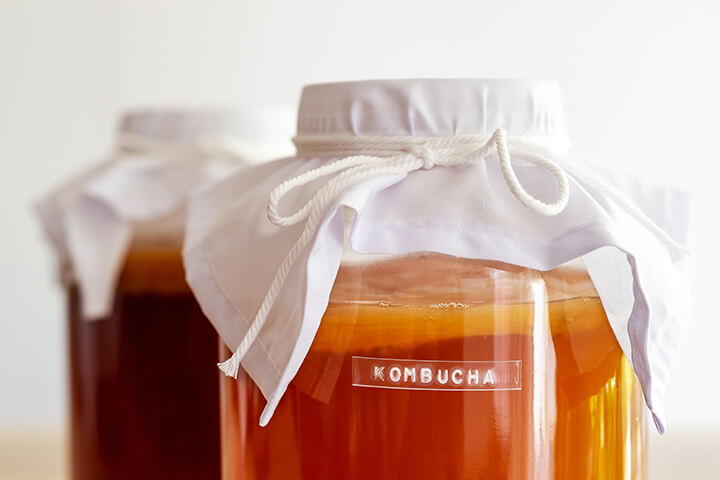
AI uses this data to identify specific gaps in the sensory market as well as to identify flavor intersections: flavor combinations that would sell but haven’t been commercialized yet. Portmanteaus like “swangy” and “swicy” are born using this data, and then adopted by major corporate players.
“Swangy,” for instance, means sweet and tangy. While this combination is found in nature (tropical fruits, for example), AI has identified a growing consumer push for more aggressive, fermented versions.
Analyzing the popularity of kombucha, shrubs, and Filipino sawsawan sauces led AI models to report that the market was ready for swangy snacks. Part of this was AI identifying that people no longer thought of tangy as a synonym for sour. Instead, it is now associated with gut health and brightness.
Analog Discovery in a Predictive World
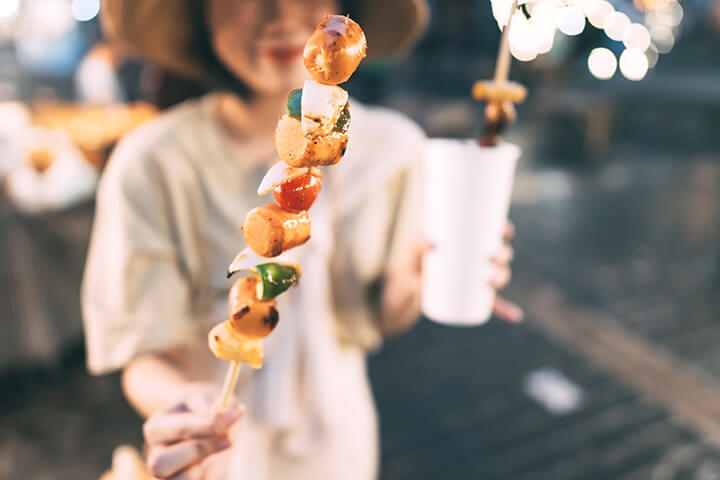
There are fundamental human needs that flavor data cannot satisfy. Namely, the thrill of the accidental find and the joy of the cool hunt.
While AI can predict that a swangy snack will sell well, it cannot replicate the feeling of taking in the sounds, scents, and sights of a crowded market and tasting something that changes your entire perspective on what a meal can be. AI may be faster, but real discovery still comes from the messy, unoptimized adventure of finding something new.
