
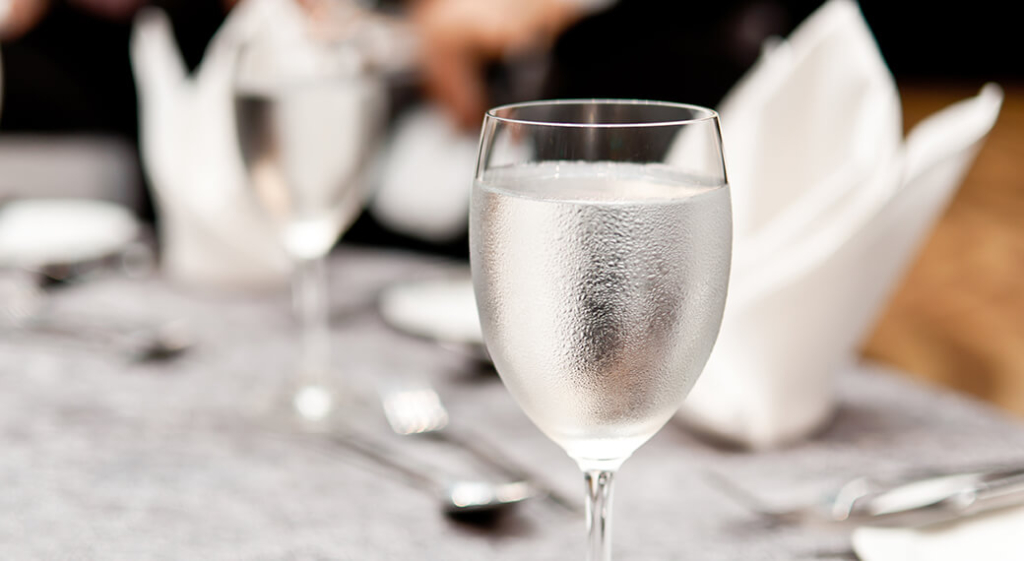

Remember when you were a kid and your parents asked you, “What do you want to be when you grow up?” and you replied, “water sommelier”? No, we don’t remember that either. However, times are changing and water menus are becoming more prevalent in upscale dining.
What Is a Water Menu?
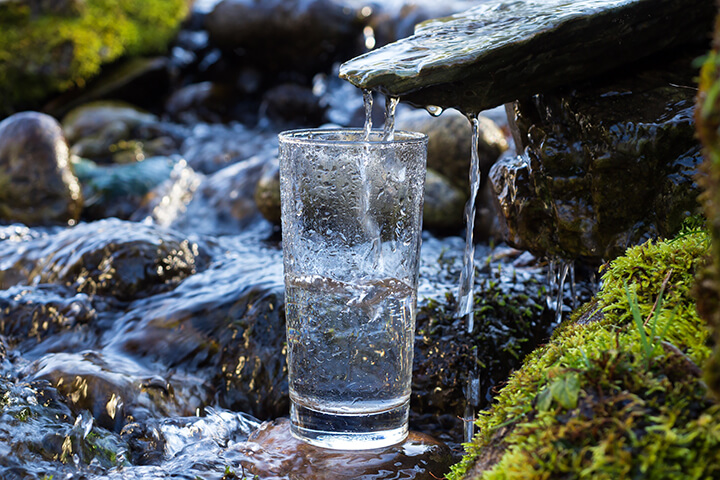
A water menu is a curated list of bottled water, sourced from locations around the world. The purpose is to present water as a complex beverage with distinct attributes, much like a wine list. Some establishments employ a certified water sommelier to enhance their program.
What Are the Different Types of Water Found on These Menus?
Water is broadly categorized by the type of environment it was sourced from, including glacier, volcanic, artesian, and spring. Artesian water, for example, is from wells that tap into a confined aquifer. The other three categories are sourced directly from glaciers, water filtered through volcanic rock, and specific springs.
Additionally, these menus might provide key metrics that affect flavor profiles, or have a water sommelier on-hand to explain their nuanced characteristics:
- Origin: The exact location and source.
- Total Dissolved Solids (TDS): A key metric indicating the mineral content. A low TDS (<50 mg/L) signifies a very pure, light water, while a high TDS (>500 mg/L) indicates a heavy, mineral-rich water.
- pH: The acidity or alkalinity. A pH below 7 is acidic, and above 7 is alkaline.
- Taste Profile: Descriptions could include “clean and crisp,” “silky and smooth,” “mineral-forward,” or “slightly sweet.”
How Much Do These Waters Cost?
Water menus tend to include a range of price points, with the lower end being an affordable luxury at around 5 to 15 dollars. On the other hand, some waters are highly prized, with price tags hitting over $50 for a bottle. Using Svalbarði Polar Iceberg Water as an example, we’ll look at their production methods that lead to such a high price point.
Svalbarði Polar Iceberg Water
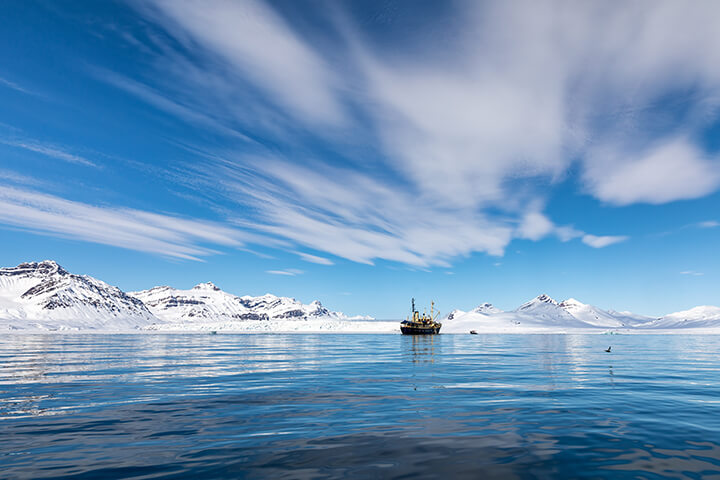
Sourced from pristine icebergs that were naturally calved off glaciers in the fjords of Svalbard, Norway, a bottle of Svalbarði can range from $60 to $95 or more in a restaurant. Its price is justified by its rarity, its difficulty of harvesting, and its exceptional purity.
The ice is over a thousand years old, formed from ancient snowfall that pre-dates industrial pollution. Its total dissolved solids (TDS) is exceptionally low, often around 21 mg/L. This gives it a light-as-air feel and a truly neutral taste.
Harvesting Svalbarði is a process in which small pieces of iceberg are collected by boat just before they melt into the sea. Then, they are melted at a controlled temperature and lightly filtered (without chemicals) to remove any impurities and preserve their low mineral content.
Each expedition can yield up to 13,000 bottles of pure drinking water and each batch is therefore considered a limited edition. The process — which takes place less than 650 miles away from the North Pole — is highly manual and certified carbon-neutral, adding to its value.
Ultimately, this company aims to turn all of Svalbard into a carbon-negative region that will net remove greenhouse gases from the atmosphere.
How to Pair Water With Glassware & Menu Items
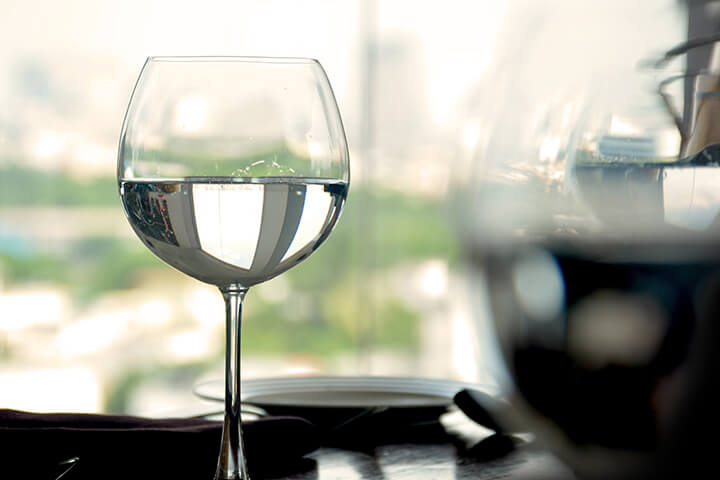
Like wine, water is paired with glassware that brings out its best characteristics, as well as with the menu items it complements.
Glassware Pairing
The principles of pairing are based on enhancing the water’s qualities.
- High-TDS, Mineral-Rich Water: A broad, open-mouthed glass, such as a Burgundy wine glass, allows the aromas of the minerals to express themselves and the water to breathe. The wide bowl allows for a larger surface area, which helps in the release of subtle mineral notes.
- Low-TDS, Light Water: A narrow, high vessel, like a white wine glass, helps to concentrate the delicate, neutral flavor and maintain its cool temperature. The design prevents the water from warming too quickly.
- Sparkling Water: A champagne flute or a tall, slender glass helps to preserve carbonation. The narrow opening ensures that the effervescence lasts longer.
- Glassware Construction: Overall, we recommend that water is paired with stemware, to help it stay cooler longer. Additionally, a glass with a thin rim enhances the perception of purity, while a thicker rim can be used for heavier, more textured waters.
There are no strict rules, of course, but the general principle is to match the glass to the water’s profile.
Food Pairing
Pairing water with food is gaining traction, but it is nowhere near the level of detail and complexity of a wine pairing.
- Delicate Dishes: A low-TDS, neutral water pairs best with delicate foods like seafood, sushi, or subtle salads. The water cleanses the palate without overpowering the flavors.
- Heavy or Rich Foods: A high-TDS, mineral-rich water can stand up to and complement fatty meats, stews, or heavily seasoned dishes. The minerals cut through richness and provide a contrasting element.
- Spicy Dishes: Slightly alkaline water (pH >7) helps to neutralize the heat from spicy food while sparkling water can provide a refreshing effervescence.
Ultimately, the goal is for the water to either complement or contrast with the food.
Water Has Become Part of the Culinary Story
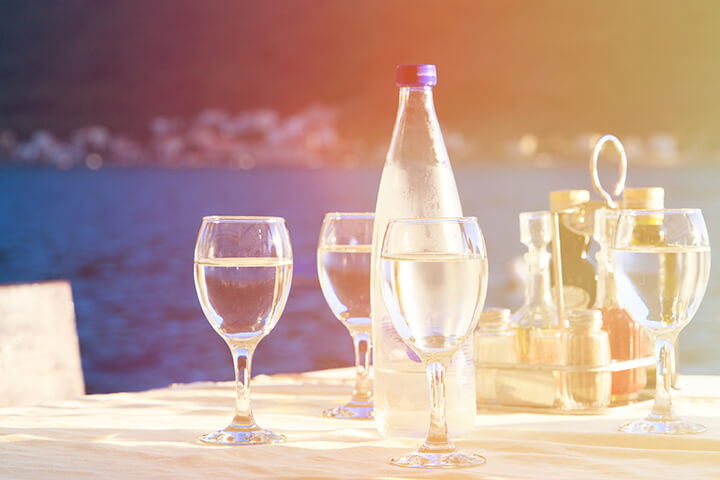
Water menus in upscale dining turn something as simple as hydration into an exploration of flavor and terroir, and an invitation to consider the story behind a product, its rarity, and the meticulous care taken in its sourcing and presentation. Would you consider adding a water list to your offerings? Let us know in the comment section!
