


The US restaurant industry is seeing an all-time high in the number of active restaurant locations. Experts at Datassential report that over 860,000 active units are now operating, compared to 842,000 in 2019. But some metropolitan areas are thriving more than others.
We look at two of the top performing metro areas — Dallas and Houston — where restaurant openings are outpacing closings. We’ll examine the factors helping these areas remain in the winner’s circle and showcase some of their best, brightest, and emerging talent.
Everything Is Bigger in Texas (Except Income Tax)
Business is booming in Dallas and Houston, and the hard data explains why.
- Population growth
- No state or local income taxes
- Enhancement of the R&D franchise tax credit
First, US Census data reports that these two metropolitan areas led the US in population gains between 2010 and 2020 (up around 19.2%). Having a leg up with an expanding customer base means new restaurants can enter the market without necessarily absorbing customers from existing establishments.
Second, Texas has no state or local income taxes because they are prohibited by the Texas Constitution. In turn, residents have higher disposable incomes that they can invest in the community by, for example, dining out more.
Most recently, new legislation enhanced the R&D franchise tax credit, which benefits larger restaurant groups investing in food technology and operations.
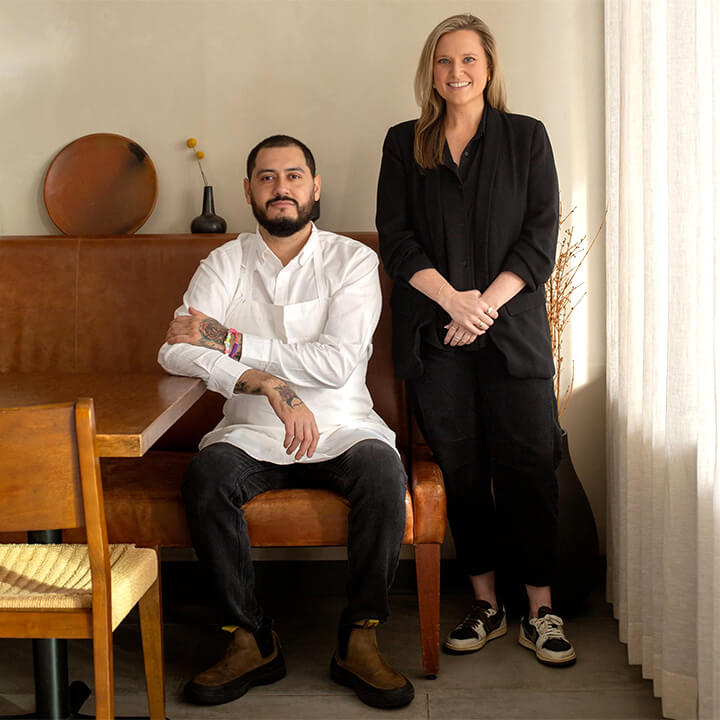
Also contributing to a successful restaurant scene is the recent introduction of the Michelin Guide to Texas. Many of the city’s Michelin-recognized spots are smaller, culturally specific locations such as Tatemó in Houston, a maize-driven concept.
The Dallas and Houston scenes each have their own unique identities with little overlap. So, let’s take a closer look at each city to better understand what makes these areas special for restaurants.
Dallas
- Excels in population and corporate growth
- Leads as a corporate dining hub
- Businesses are keenly attuned to social media visibility and investing in walkable, amenity-rich neighborhoods
Last year, Dallas saw the highest net gain of one-way U-Haul customers in the nation. With a growing population, new openings are surging, primarily within the casual sectors.
Small Menus With Main Character Energy
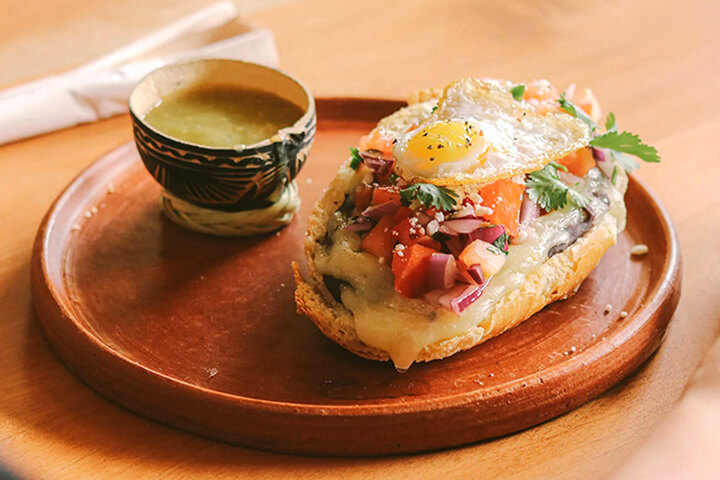
The city has seen a 15.5% increase in fast-casual locations since 2022 with brands that offer a premium atmosphere (think CAVA or Freebirds World Burrito) seeing the highest retention rates. Meanwhile, full-service institutions are being replaced by high-end, chef-driven casual concepts that prioritize smaller, focused menus.
Feeding the Bottle Line
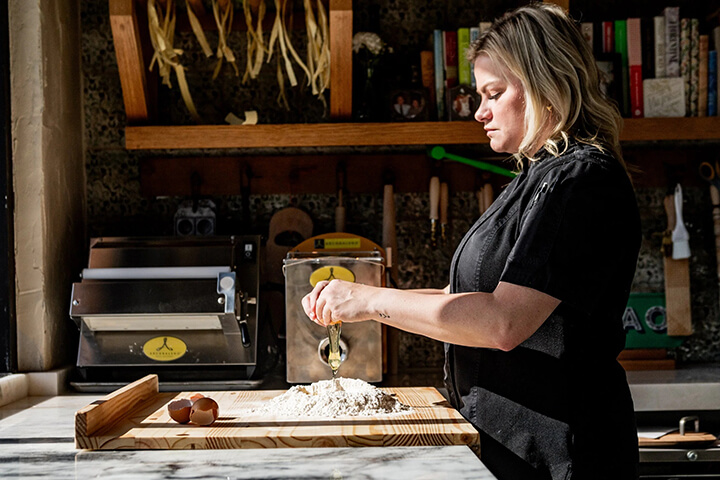
Dallas is also leading in hungry corporate employees. Between 2018 and 2024, the area captured 100 headquarters moves, more than any other metro in the country. This scene is dominated by upscale, high-volume establishments designed for business clientele and social status. Business dining in Dallas grew by 5.3% over the last year alone, largely catering to the financial and tech sectors. Unlike other major US cities, which remain stagnant, Dallas was able to revitalize the weekday lunch and happy hour periods.
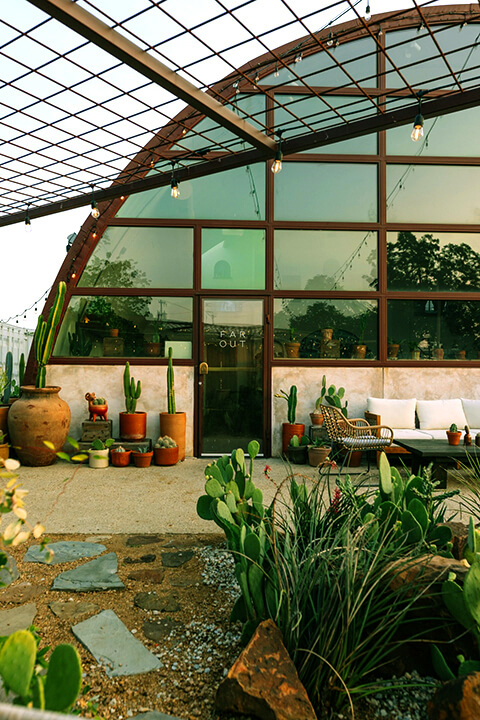
Operators focus on spend-per-guest and understand the power of visibility: Restaurants primed for social media with high-end aesthetics tend to experience the most success. They also understand the draw towards amenity-rich, walkable environments and invest in those areas.
Houston
- Excels in diversity and authenticity
- No zoning laws
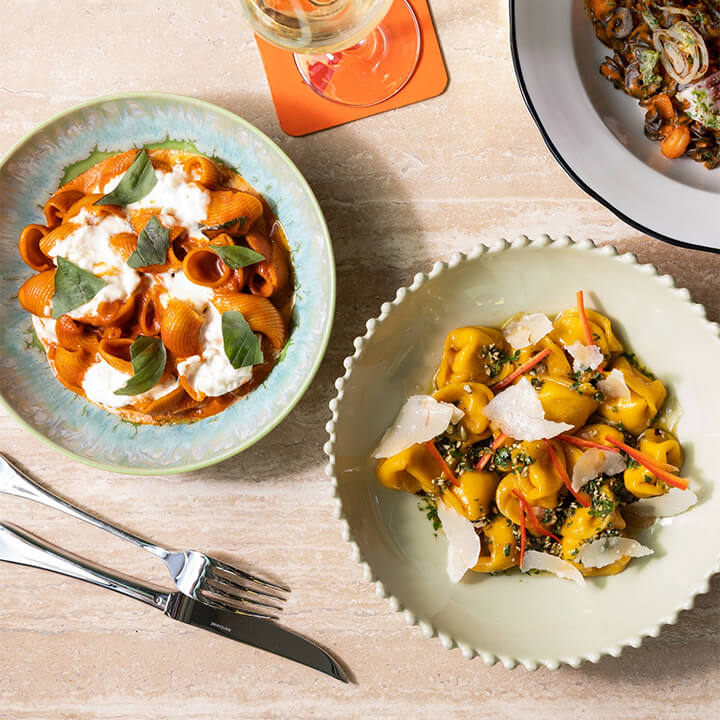
- Winning with small-plate and chef-driven casual menus
While Dallas outperforms in corporate dining, Houston’s strengths center more around global fusion and modern innovation. The industry is seeing a high degree of micro-concept success and outsiders are noticing.
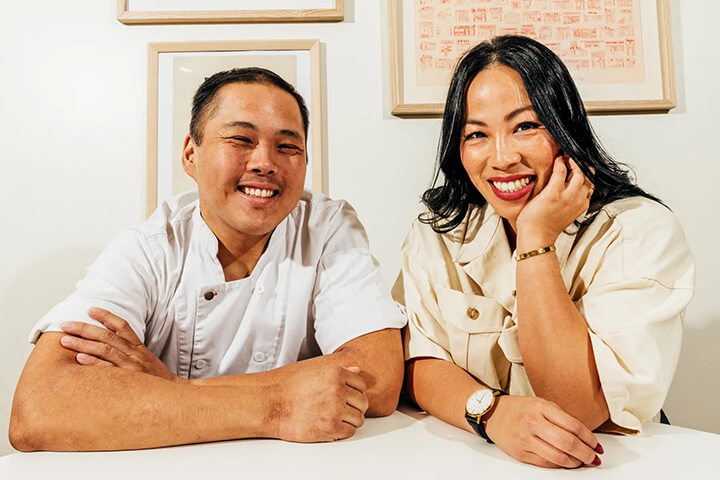
In early 2026, the LA Times named Houston the Top Food City of the Year, specifically citing its ability to maintain a diverse, fiercely independent restaurant culture. Its new status as a global food capital is attracting top talent with James Beard Award winners and a growing list of Michelin-recognized restaurants at the forefront.
Neighbors, Meet Your New Favorite Chef
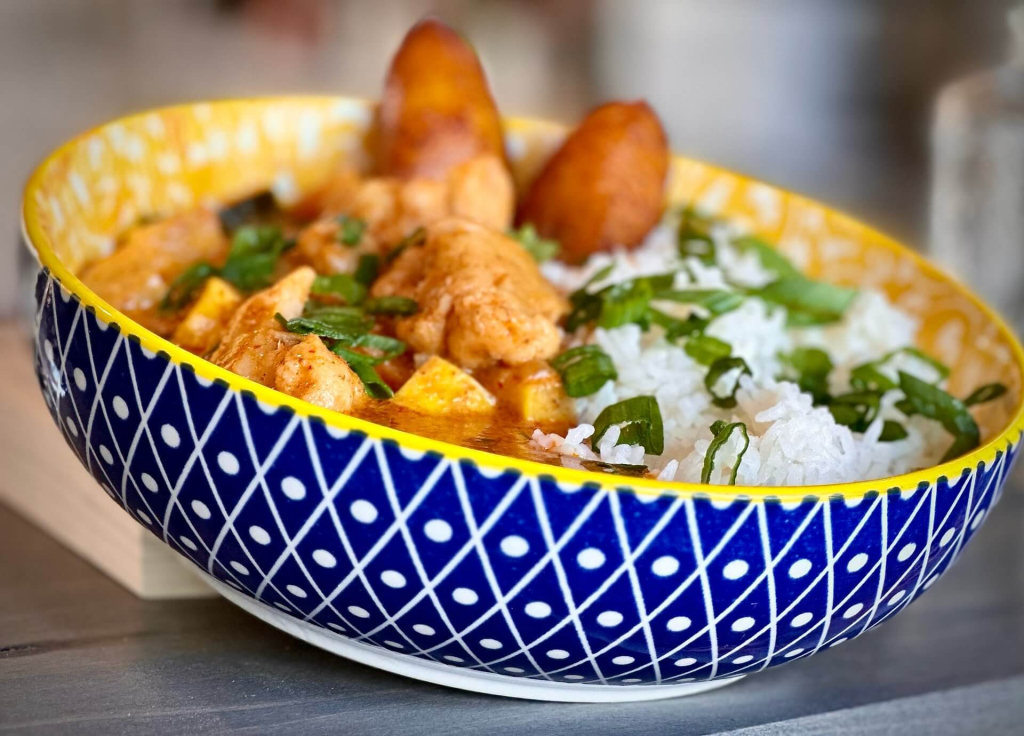
Houston’s lack of zoning laws also helps the restaurant scene because they are allowed to open in areas where overhead is lower. This economic environment makes it easier for first-generation immigrants to open businesses, resulting in authentic eateries galore.
The Market Value of Authenticity
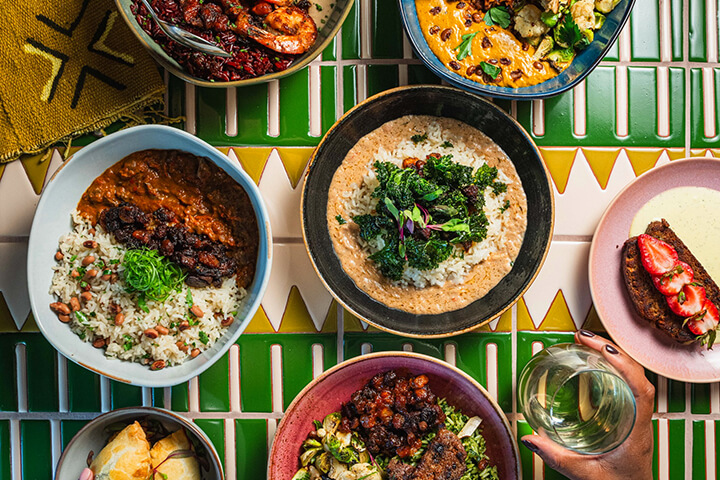
Global fusion fast casual is the dominant growth leader here. Concepts like ChòpnBlọk have received national accolades and Michelin recognition, further emphasizing that Houstonians value authentic flavors.
Unlike Dallas, success in Houston is less about social status and more about culinary credibility. The city adds approximately 200 new establishments annually, with a heavy emphasis on chef-driven concepts that blend different cultural traditions. The metric of success here is often tied to local accolades and the ability to attract an adventurous, diverse demographic that treats dining as a primary form of cultural engagement.
Small Bites and Big Business
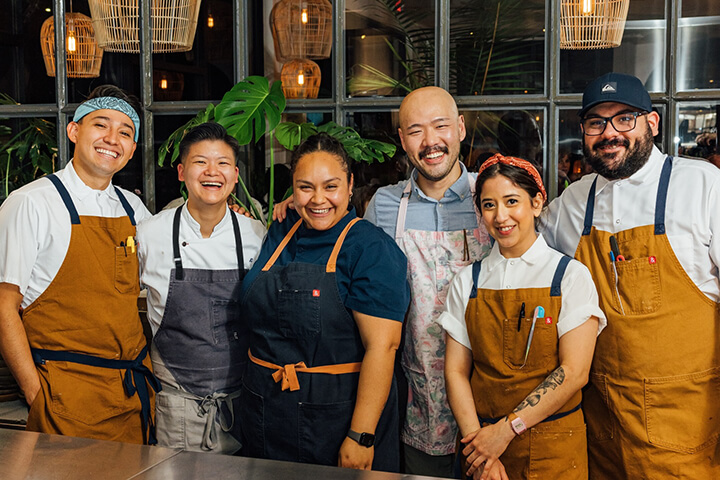
Full-service restaurants in Houston are winning by adopting “small plate” and sharing-centric menus in which operators maintain lower price points while increasing the variety of dishes per table. Mid-tier, chef-driven bistros are currently seeing higher foot traffic than the QSR segment, another sign of Houston’s new stature of a city that takes food seriously.
Zoning, Population, and Plates
Although they operate differently, they’re arriving at the same place. Both Houston and Dallas have built cultures where restaurants can expand without oversaturating the market — a balance that’s hard to maintain. For operators, that makes both markets worth watching as they continue to evolve.
