
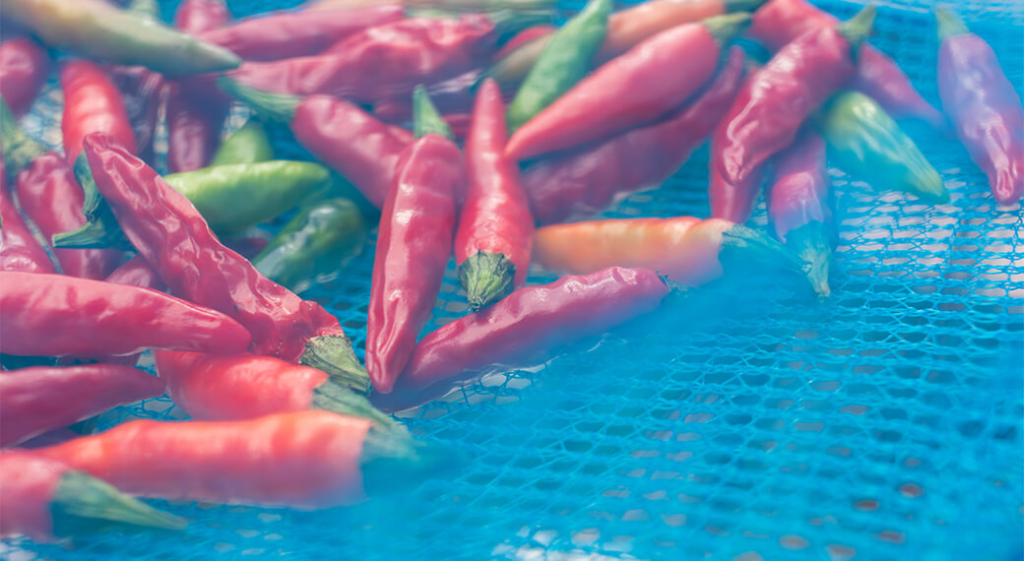

The world of peppers is expanding rapidly, with programs like the World Vegetable Center releasing over 37 new varieties in 2025 alone. In this article, we list our favorite new hot pepper hybrids and the opportunities they present for chefs and mixologists.
Put These Peppers to Work
Agricultural breeding is in a high-growth phase. To give chefs more control over their heat elements, here are several recently released hot pepper hybrids. These varieties are the result of multi-generational breeding projects focused on stability, yield, aesthetics, and specific flavor profiles.
Ghost Breath

Ghost Breath was developed by Steve Bender, the head horticulturist at Innovation Acre, a dedicated research project within Tyler Farms. You may remember Bender from such peppers as the California Reaper or the White Scotch Brain.
Bender created Ghost Breath to be a fusion of extreme heat champions. This hybrid crosses the Ghost Pepper (Bhut Jolokia) with the sting of Dragon’s Breath to deliver a burn that starts immediately (like Dragon’s Breath) but lingers (like the Ghost).
What makes Ghost Breath special is its deep red, wrinkled pods with a high concentration of capsaicin oils on the interior walls. It combines explosive heat (estimated to exceed 1,500,000 SHU) with fruity, slightly sweet undertones.
Professionally, chefs can best utilize this pepper for high-potency ferments or creating superhot infused oils. The oil content makes it highly efficient for “one-drop” applications in large-scale batching. Mixologists will find that the fruity undertones allow for infusions in high-proof spirits where the “punch” is required without an overly vegetal taste.
FujiWhara
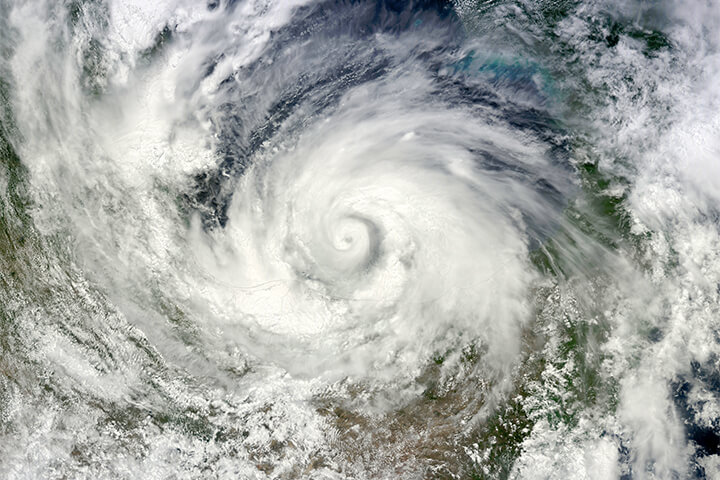
When Towns-End Chili & Spice in Florida developed FujiWhara, plant breeders were looking for a solution to the bitter medicinal taste associated with white-hot pepper varieties. They succeeded by crossing Jigsaw with White Moruga.
This combination created a fruity, slightly smoky flavor with hints of citrus. Physically, the pods ripen to a pale cream or deep orange and are known for being exceptionally “gnarly” in texture.
Chefs can use this superhot pepper’s lack of color to their advantage. Keeping their 1,000,000+ SHU in mind, they’re a solution for very spicy, light-colored sauces, soups, and sides where a red pepper would influence the look too dramatically. For mixologists, their citrusy profile and scent are a natural match for mezcal-based drinks or peated scotch.
Tangerine Tiger

The Tangerine Tiger, distributed by White Hot Peppers LLC., originated as an accidental cross in the greenhouse of Paula Thomas, who is known in the gardening community through her channel, Gapey’s Grub.
According to the history of the variety, the cross occurred between two specific peppers: Aji Tangerine and Sugar Rush Stripey.
While the cross happened in Paula Thomas’s greenhouse, it was first grown out and identified by Elena Kadomtseva in 2020. Elena is often credited with the early stabilization and naming of the variety. Because it is a newer hybrid, many seeds available on the market are still in the F5 or F6 generation, meaning the plant can still show some instability in pod shape and color.
Tangerine Tiger gets its name from its flavor and its pods which are orange with red vertical stripes. It is known for being highly prolific and having a crunchy, thick-walled texture. Heat-wise, it’s comparable to a hot jalapeño, between 5,000 – 10,000 SHU.
Tangerine Tiger’s relatively mild heat and striking aesthetic make it a premier choice for raw applications, such as a garnish for ceviche or sliced thin in salads where a “habanero-style” look is desired without the overwhelming heat.
Behind the bar, mixologists can use the tangerine-like flavor with citrus-based cocktails or as a visual rim-attachment for spicy margaritas. Tangerine Tiger is also ideal for muddling in cocktails. Try its fruity, non-soapy profile with agave spirits.
Fadda’s Poison Tail
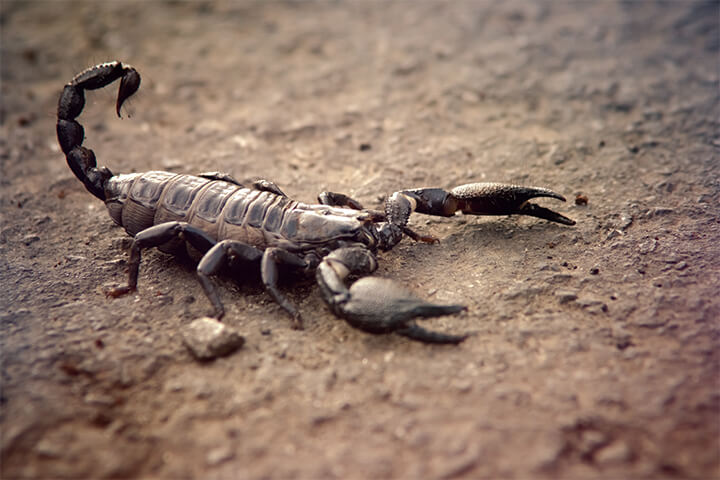
This wrinkly and bumpy pepper was developed by Giancarlo Fadda, an Italian grower known for his extreme heat and distinct appearances.
Fadda’s goal for his Poison Tail pepper was to produce a high-yielding superhot with a distinctive long-curled tail resembling a scorpion. He achieved this by combining Jay’s Peach Ghost Scorpion with California Reaper and SRTSL (Sara Ragoonan Trinidad Scorpion Long). This is a pepper you can count on as it is known for its stability and productivity, even when grown in pots. You can also count on it to bring the heat.
With its Scoville units estimated at 1,500,000+ SHU, this pepper isn’t for newbies. Daring chefs who enjoy extreme spice or make their own dry rubs will have a lot of fun with Fadda’s Poison Tail. Similarly for mixologists, we recommend using it only for ultra-diluted hellfire bitters due to its extreme ability to make mouths feel like they are on fire. Proceed with caution.
Hellapeño

Developed by Bohica Pepper Hut, the Hellapeño is one of the hottest jalapeño varieties out there. While not as intense as a Habanero, it packs 3x–5x the punch (15,000 – 30,000 SHU) of your typical jalapeño, while retaining the culinary utility of its thick, juicy walls and complex flavor profile.
The plant itself is exceptionally large for its kind, reaching up to 8 feet in height and producing over 300 peppers at a time. The peppers transition from green to deep purple before maturing to blood red.
Hellapeños are ideal for roasting, stuffing, or poppers where a traditional jalapeño would be too mild for a professional heat-focused menu. Mixologists can use them for muddling in savory cocktails where a clean chili flavor and moderate heat are desired.
Hotter By Design
Operators who stay in-the-know about these innovations use them as opportunities to enhance menus with novel flavors, aesthetics, and varying heat profiles. Which of these new peppers would you try first and why? Let us know in the comment section!
