
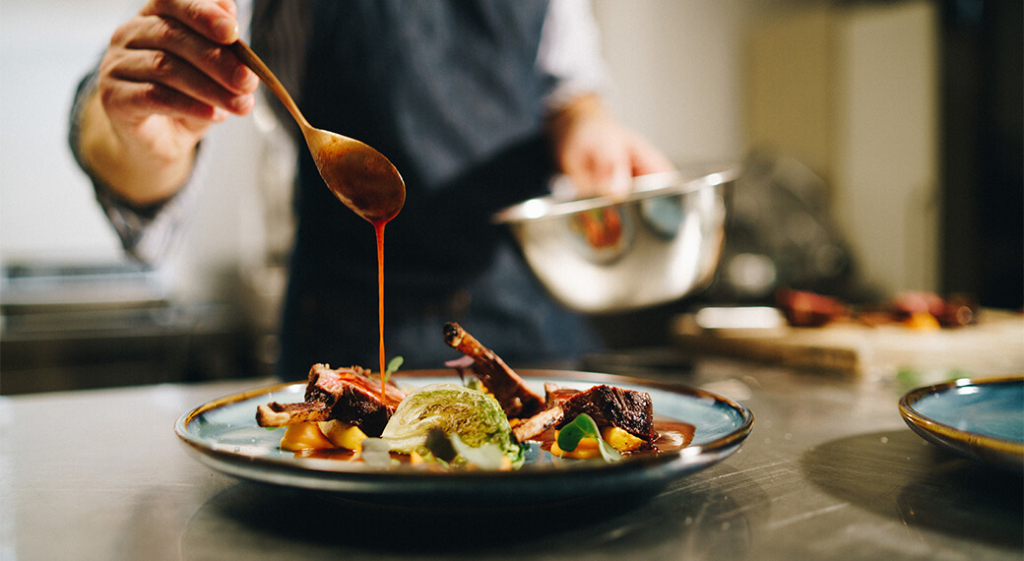

Menus in 2026 need the sauce to attract customers and to both create and satisfy cravings. Here’s the latest research on consumer preferences and why sauces are modern-menu champions.
A Proverb for Your KPIs
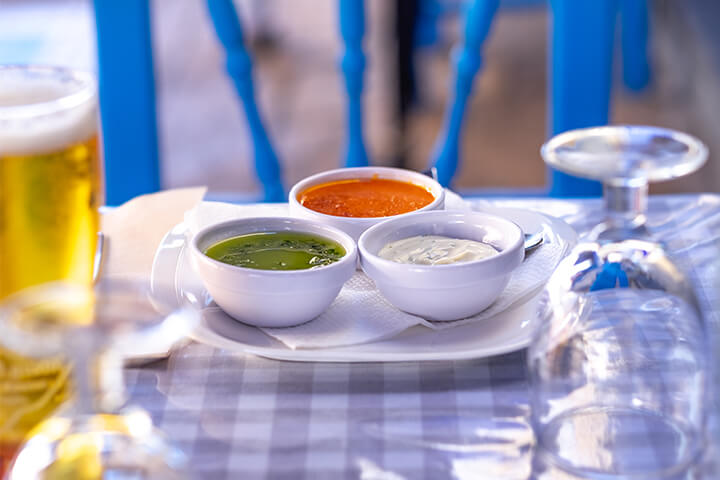
The French have long said, c’est la sauce qui fait manger le poisson, or “it is the sauce that makes the fish edible.” Now, this age-old proverb is backed by hard data.
Research by Technomic shows that 36%–40% of consumers choose where to eat based specifically on the available condiments. Menus lacking a diverse condiment strategy, especially in the fast casual segment, risk losing their market share to competitors who have pounced on superior flavor innovation. Consumers seek variety, with over half preferring restaurants that carry a mix of sauces, ranging from classics to new flavors.
Innovate Without the Risk
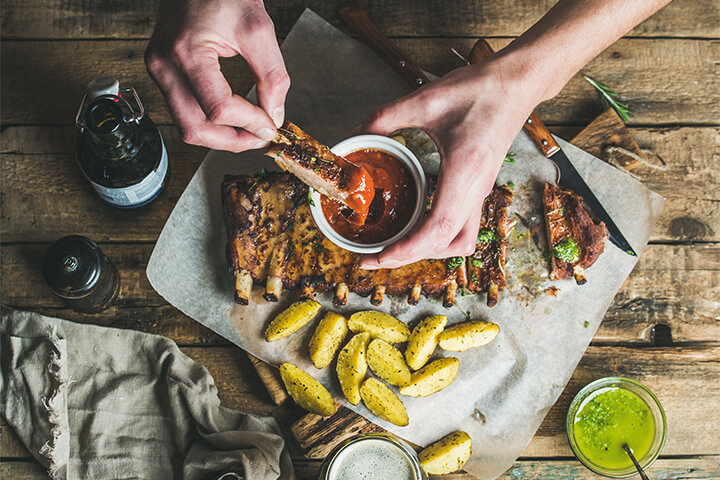
Our society’s growing preoccupation with dipping sauce is excellent news for the restaurant industry because it helps with two pressing issues: the consumer push for customization and the operators’ need for price increases.
Customization is key. Not only is it a trending preference, but customization helps operators experiment without disrupting their regulars’ favorite orders. Research shows that consumers are significantly more willing to take a risk with a new flavor when it arrives in a ramekin on the side rather than being incorporated directly into a dish.
Positioning sauce as premium add-ons justifies a price increase. Consumers are looking for something different to treat themselves with and they are willing to pay for the novelty. It is a low-stakes way for guests to feel more control over their order while discovering new culinary elements or trying trendy flavors they heard about online.
The Craveability Quotient
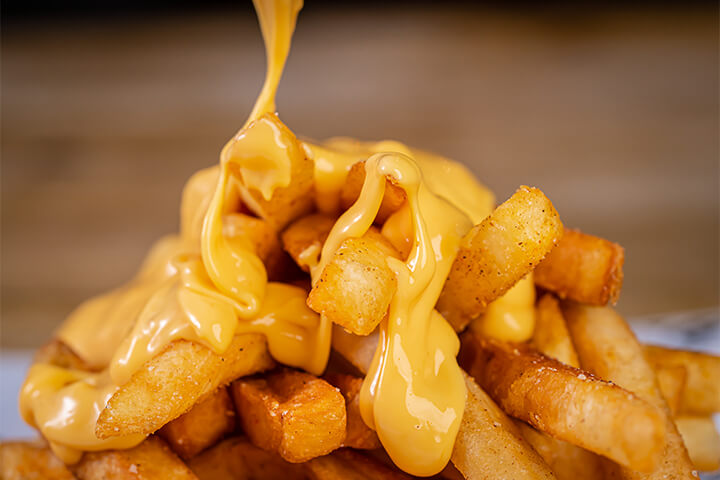
Restaurants that use their condiment strategy to deliver on craveability will soon find sauce to be the specialized component that makes their business more successful. After all, it’s the craveability factor that gets people back in the door. Customers are looking for bold, addictive flavors that they’d gladly go out of their way to experience again.
When customers look for something new to obsess over, they often start with the dip. According to Technomic, 77% of diners note that craveable items drive their restaurant selection, and the flavors they hunt for the most are cheesy, savory, and spicy. Cheese sauce is an enduring favorite and still the fastest way to get customers daydreaming about their next bite.
Uniqueness is another loyalty builder. Consumers are more likely to order a sauce they can only find at a specific restaurant, making “signature” labels a massive purchase driver.
Wanderlust Flavors
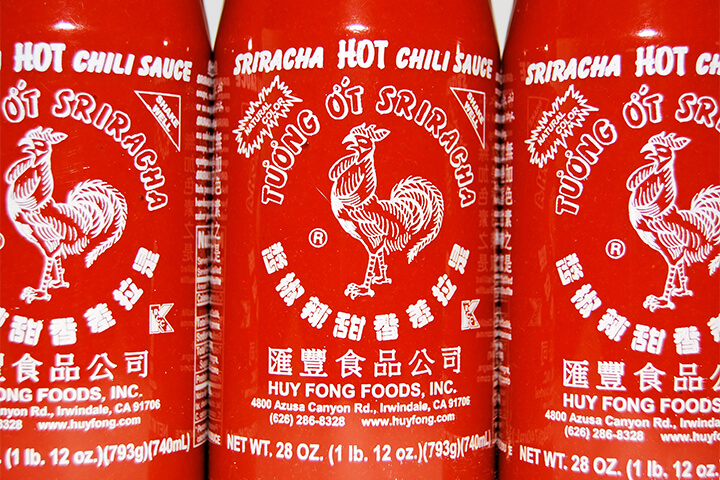
The search for novelty is pushing growth for new forms of indulgent comfort and global fusion with the next wave of “must-try flavors” already hitting independent menus:
- Heat Seekers: American consumers can’t get enough heat. Exciting global flavors like sambal oelek and harissa bring North African and Southeast Asian spice for diners craving the burn.
- Regional Pride: BBQ is gaining recognition with sauce as a differentiator based on location. Notably, we’re seeing Alabama White and Carolina Gold BBQ moving beyond their borders to satisfy tangy and creamy cravings.
- Unique Flavors: Introduce flavors that are new to US consumers with alguashte (Salvadoran pumpkin seed sauce), guasacaca (Venezuelan avocado sauce), and joppiesaus (a mayonnaise-based condiment from the Netherlands).
Your Sauce Is Your Brand
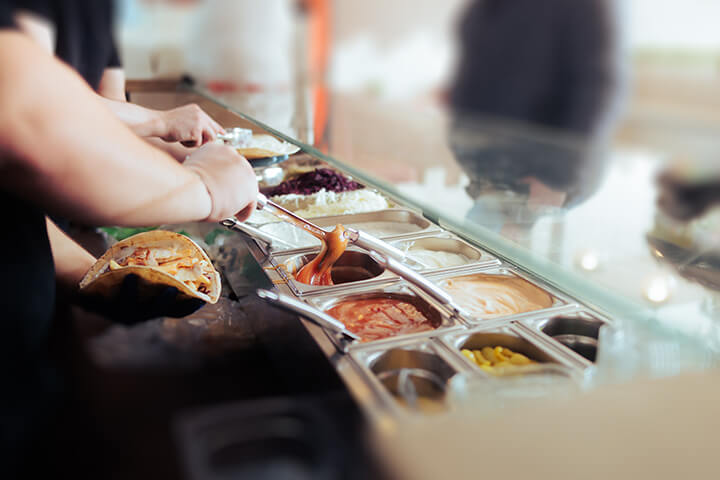
Prevent your brand from getting smoked by more agile competitors who are already experimenting with customizable sauce options featuring new and classic flavors. Consumers seek craveability and sauce is a cost-effective way to deliver those profiles. So, get dipping! Operators giving their condiment strategy the royal treatment are already one step ahead in our incredibly competitive industry.
