
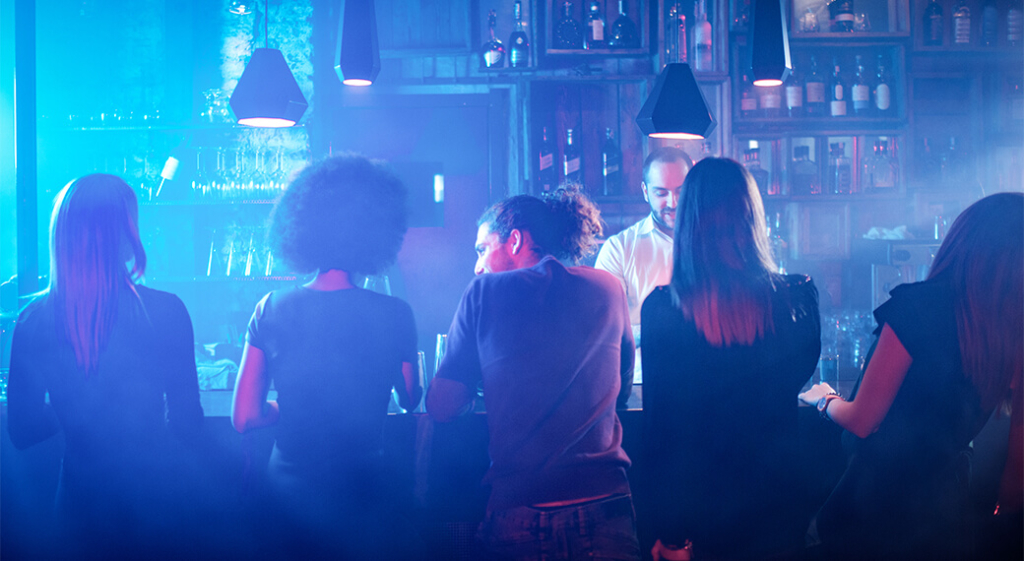

Bar seat reservations began as a tech innovation in the late 2010s and were widely adopted during the pandemic when social distancing mandates made walk-in traffic a liability. Although social distancing is a thing of the past, the practice of reserving bar seats has stuck, with cities like NYC and San Francisco at the forefront. Because these cities are characterized by highly competitive dining scenes serving dense populations of tech-savvy patrons, the demand for popular establishments has made bar seat reservations a logical extension of table booking.
Now, more operators are considering adding bar seat reservations to their establishments, and we’re here to help. We run down the benefits and drawbacks of adding bar seat reservations to booking systems, to help you determine if it would help or hinder your business.
The Predictability Advantage
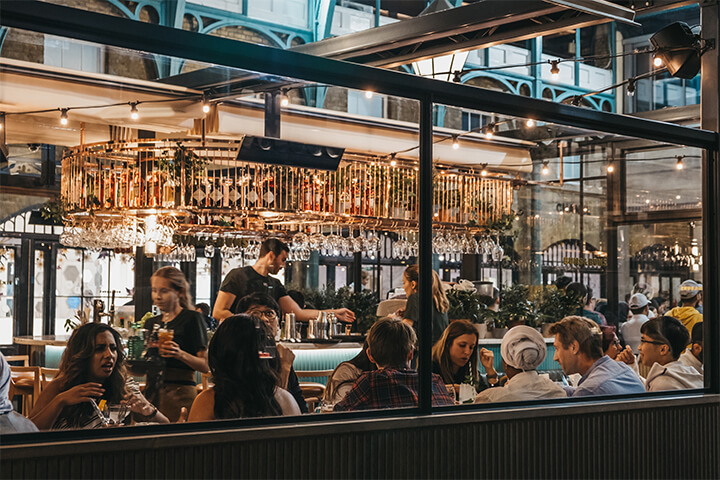
Let’s start with the potential benefits of pre-booking bar seats: predictable revenue, predictable flow, and the perception of upscale service.
Reserved Seating Makes Revenue More Predictable
The biggest benefit of controlling the flow of guests at the bar is operators can ensure a consistent turnover, which makes speculative revenue much more predictable. It also provides a tool against no-shows. Requiring a credit card to secure the reservation and charging for no-shows is a must for obtaining predictable revenue. This is especially true for establishments where the bar offers a full-service dining experience. Another factor that adds to revenue becoming more predictable and profitable is bar reservations could also lead to a higher average check per seat because guests with reservations are more likely to commit to a full meal rather than a quick drink or two.
Pre-Booking Creates a Predictable Flow
Pre-booked bar seats minimize the risk of empty spots during peak hours, while mitigating the unpredictability of walk-in traffic that turns into overcrowding. Additionally, with this predictability, managers can forecast demand more precisely and schedule the right numbers of bartenders and servers more effectively.
Reservations Give Planning-Minded Patrons the VIP Treatment
The ability to reserve a guaranteed bar spot provides regulars with a sense of security and the feeling of VIP treatment since they won’t have to wait in a crowded host or bar area. Of course, this isn’t true for all customers. However, people who plan their outings well in advance and/or prefer not to gamble on availability will love it.
Spontaneity Is Off the Menu
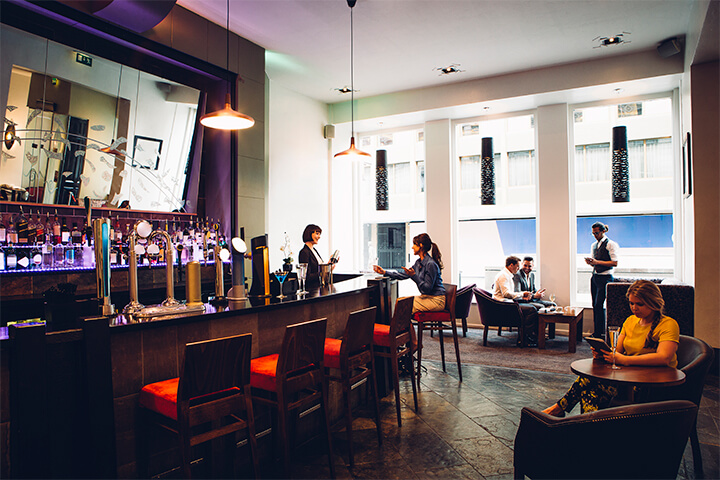
Pre-booking bar seats sometimes leads to a mixed reception.
Reserving Bar Seats Alienate Walk-In Guests
Pre-booking bar seats alienates one core group of customers — the spontaneous walk-in diner. The freedom to spontaneously drop in at your favorite establishment is one of life’s simple pleasures for many, and that group attests that reservations will lead to the erosion of our casual dining culture. Some restaurants have traditionally relied on the energy of people coming and going, a dynamic that can be stifled by a fully reserved bar.
For customers seeking spontaneity, a restaurant with too many reserved signs in the bar area appears exclusive and unwelcoming to casual passersby or regulars dropping in for a pre-dinner drink. If your establishment relies on impulse diners, pre-booking bar seats may do more harm than good.
Is Your Venue a Good Fit?
Overall, pre-booking bar seats is best suited for certain types of venues: fine-dining, small restaurants in high demand, and chef’s table experiences are natural candidates. Basically, establishments that thrive on controlled, experiential dining could align perfectly with this booking system.
Conversely, this approach is ill-suited for casual pubs, sports bars, or high-volume restaurants that rely on a quick turnover from walk-in patrons. For these venues, the traditional model of first-come, first-served is integral to their business and atmosphere. Attempting to implement a reservation system for every seat would create unnecessary friction and likely deter their target demographic.
Ultimately, the decision should be driven by the characteristics of your establishment, i.e., what makes it tick. The goal is to complement your brand, provide your patrons with the best service, and ultimately support your restaurant’s financial health without compromising on its core identity. If this system feels too forced, it probably isn’t the right move.
Test the Waters With a Phased Approach
If you are considering pre-booking bar seats, we recommend a phased approach that will allow you to test the waters without a full commitment. Start by designating a small number of bar seats for reservations during specific high-demand times such as Friday and Saturday nights. Be sure to track their average spend versus that of walk-ins, the frequency of no-shows, and the overall impact on the ambiance of your establishment before implementing this program on a larger scale.
