


EPR laws are adding significant complexity to the foodservice supply chain, particularly for packaging. Equipment and smallwares distributors are caught in this shift and are adapting to meet evolving regulatory and market demands for sustainability.
States Pass Laws Shifting Packaging Waste Costs to Producers
The emergence of Extended Producer Responsibility (EPR) laws across various states are designed to shift the financial and operational burden of managing packaging waste from municipalities to the “producers” — a term that can encompass manufacturers, brand owners, importers, and distributors, depending on the specific law.
Historically, the cost of collecting and recycling packaging materials was largely borne by local governments and, by extension, taxpayers. EPR frameworks aim to internalize these costs, incentivizing companies to design more sustainable, recyclable, and reusable packaging.
EPR’s Impact on Packaging & Supply Chains
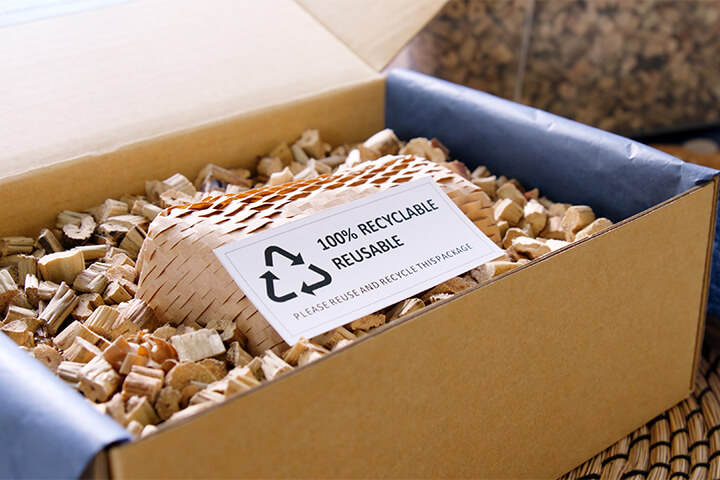
EPR regulations are particularly focused on packaging waste, which includes many common foodservice items such as paper, plastics, and corrugated material for shipping and transport.
These changes have the potential to manifest in several ways, including potential adjustments to product costs and a continued focus on sustainable packaging options. While the intent of EPR is to place the financial burden on producers, these costs are part of the overall supply chain and may be reflected in product pricing or availability. You can also expect to see an increased emphasis on packaging recyclability and compostability. As producers adapt to EPR requirements, there will be a drive towards more environmentally friendly packaging materials.
Wasserstrom Pledges to Maintain Inventory Amidst EPR Changes
At Wasserstrom, we are fully engaged in this legal evolution. Executive Vice President of Operations, Chris Littlefield, has made our commitment clear: “We understand that EPR laws introduce new dynamics to the foodservice supply chain. Our priority is to ensure easy access to the products our customers rely on. We are actively working with our suppliers and monitoring legislative developments to manage any associated costs efficiently. Rest assured, we will not be limiting our stock to certain areas, and our customers will continue to have full access to our comprehensive product offerings without disruption.“
Littlefield added, “Aside from compliance, our goal is to be a resource for our customers navigating EPR changes. We are committed to providing solutions that support both our partners’ operational needs and sustainability goals. We believe in proactive adaptation, ensuring that our full line of equipment, supplies, and smallwares remain readily available for your foodservice and hospitality business.”
EPR Laws Create a Patchwork of Regulations Across States

Several states, including California, Colorado, Maine, Maryland, Minnesota, Oregon, and Washington, have already enacted packaging EPR laws, with more states considering similar legislation. While the overarching goal is consistent — to reduce waste and boost recycling rates — the specifics of each law can vary, creating a patchwork of regulations and challenges for businesses operating across state lines.
EPR laws represent a fundamental shift towards a more circular economy, where the responsibility for a product’s lifecycle extends beyond its initial sale. While the implementation across different states creates a degree of complexity, the overall aim is positive: to reduce waste, improve recycling rates, and encourage innovation in sustainable packaging.
As Littlefield noted, “As your distribution partner, we are committed to remaining agile, informed, and proactive, ensuring that you can continue to serve your customers effectively while contributing to a more sustainable future.”
