
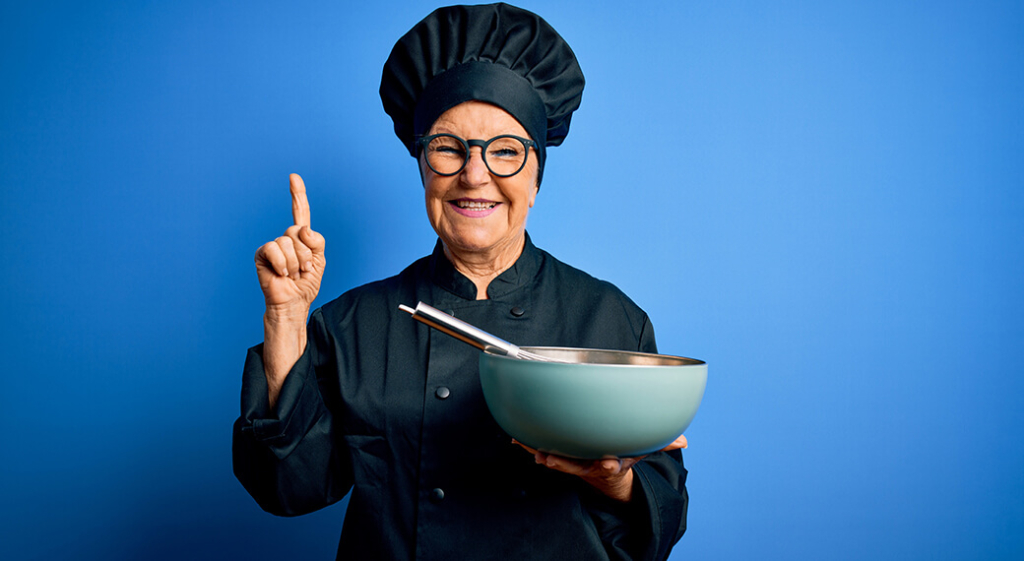

One of our favorite dining trends of the year disregards novelty and Instagrammable plating entirely. Instead, the vibe is reminiscent of grandma’s house. Grandma-core, also called nonna-stalgia, is giving what guests are seeking: a comfortable, lived-in atmosphere that says, “sit down, you’re staying for seconds.”
The New Appeal of Old-Fashioned Hospitality
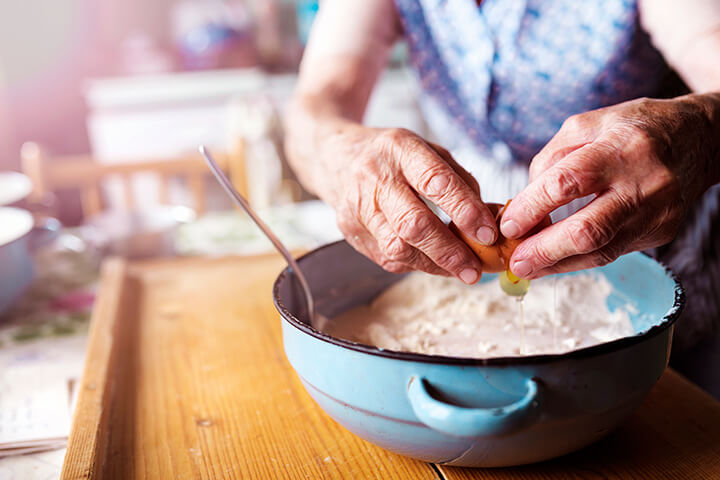
Grandma-core means comforting, scratch-made, slow-cooked dishes and an atmosphere that feels more like a home. It emphasizes simple ingredients and old-fashioned hospitality, including family style service, tableside storytelling, and a slower dining pace. Grandma-core menus span price points and tend to favor fewer dishes over sprawling variety. They prioritize depth of flavor over complex presentations.
Most of all, it is refreshingly low-tech.
Unplugged and Well Fed

People in need of calm and simplicity are drawn to grandma-core. For Gen Z and Millennials especially, it is, at least in part, a reaction to rapid-fire digital feeds, algorithmic curation, pricey tasting menus, screen fatigue, tech burnout, hard-to-get reservations, and QR-code overload.
A subset of operators and diners are recalibrating toward the unpretentious and personal, and grandma-core strategies provide this in spades. It’s a resurgence of unhurried, human-centered hospitality.
Every Cuisine Has a Grandma
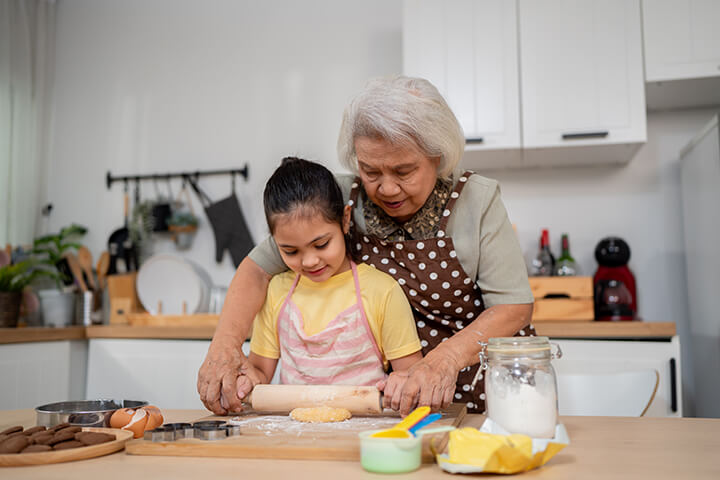
What could make grandma-core an enduring trend is its versatility. The concept is not bound to a single country or region. Arguably, every culture on Earth possesses matriarchs whose home cooking forms a foundational backbone of its culinary identity.
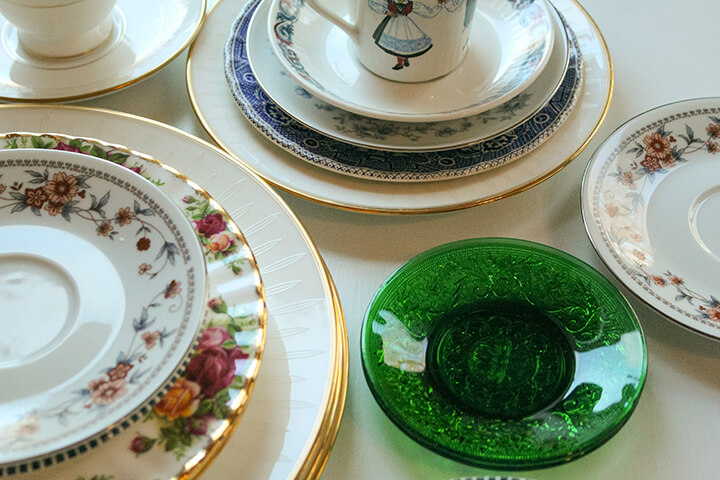
In Italian dining, this looks like sauces simmered for eight hours alongside hand-rolled tagliatelle. In Polish cuisine, it manifests as fresh pierogi, stuffed cabbage rolls, and kielbasa served on floral porcelain. A Filipino variation could be lola-style chicken adobo, sinigang, and cassava cakes.
Novelty Can Take the Night Off
Grandma-core found its fan base quickly because it focuses entirely on how a meal makes a guest feel. It does not aim to reinvent dishes or to serve food as fast as possible. The focus rests on care, memory, and flavors.
