


Modern menus evolve fast with terms like “regenerative” or “functional” reflecting real shifts toward sustainability, transparency, and healthier food. But new terminology doesn’t replace old terminology. Rather, it stacks on top of it. Add in centuries-old French vocabulary, and menus can be a lot to take in. Think you can tell your confit from your compostable, or your terroir from your traceability?
Put your modern menu literacy to the test and see how you stack up.
Results
Amazing work! You really know your stuff!
Ready for the next one? –> Where Did These Foods Originate?
Thank you for taking our quiz!
If you’d like to improve your score, the best place to learn these terms is at restaurants themselves. So now, you have the perfect excuse to go out to eat more!
Ready for the next one? –> Where Did These Foods Originate?



#1. When a menu item is called “Scratch-Made”, it’s
Correct answer: Made from raw ingredients rather than premade products.
For further context –> Restaurants typically prepare scratch-made food during off-peak hours or overnight prep shifts, allowing chefs to properly braise, reduce, and develop flavors that quick-service methods can’t replicate. Many kitchens also build scratch cooking into their daily rhythm, prepping sauces, stocks, and doughs each morning so ingredients are fresh and ready before service begins.
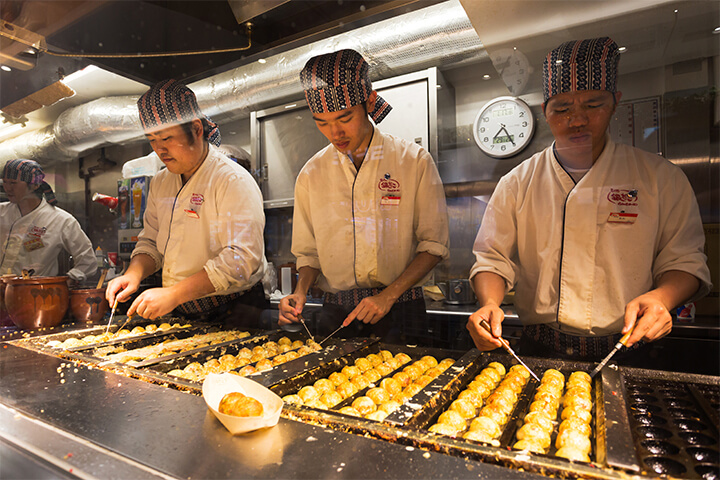
#2. When directly translated from Japanese, “Omakase” means
Correct answer: I will leave you to it.
For further context –> Translated indirectly, Omakase means “chef’s choice” wherein the guest relinquishes control of the menu, allowing the chef to select, prepare, and serve a multi-course meal based on the freshest seasonal ingredients available that day.

#3. What are “Functional” ingredients?
Correct answer: Food or drinks that are marketed as offering a specific health benefit beyond basic nutrition.
For further context –> Functional ingredients include added vitamins, probiotics, adaptogens, collagen, nootropics, CBD, or immune-support ingredients (elderberry, turmeric, ginger, etc.).
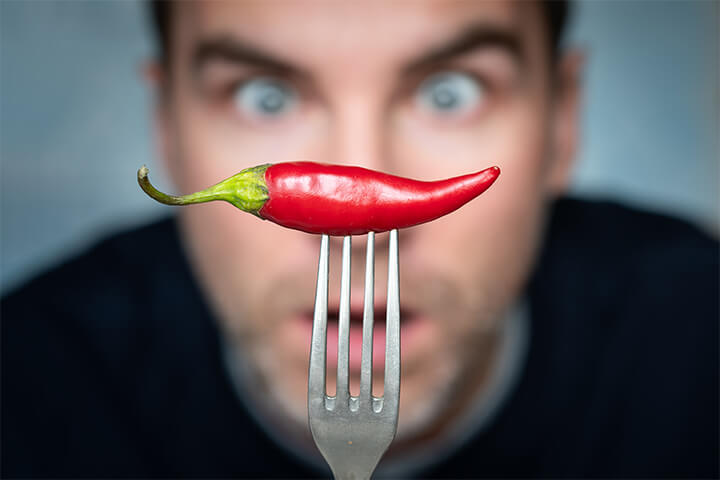
#4. What does “Layered Heat” mean?
Correct answer: A spiciness that builds and evolves across a dish through multiple sources or stages.
For more context –> This designation replaces the generic “spicy” description to explain exactly how the heat behaves, such as front-palate warmth, a slow build, or a smoky finish.

#5. When ordering “Crudité” you can expect
Correct answer: A platter of raw vegetables, usually served with a dip.
For further context –> Typically served as an appetizer, usually alongside a dip like ranch, hummus, aioli, or vinaigrette.

#6. “Terroir” describes
Correct answer: Food and drink that taste like the specific place they came from.
For further context –> Terroir is a concept borrowed from the wine world, where it’s used to explain why grapes grown in one vineyard taste different from the same variety grown elsewhere.
Examples of terroir cues beyond wine: “high-desert lamb,” “cold-water Maine lobster,” “volcanic-soil coffee,” “fog-kissed strawberries,” “salt-marsh raised oysters.”

#7. What is a “Protein Glow-Up?”
Correct answer: Fortifying carb-heavy or low-protein items with protein.
For further context –> A protein glow-up transforms traditionally low-protein or carb-heavy foods into high-protein options by adding ingredients like whey, collagen, or bone broth. This culinary trend updates everyday staples like lattes, pastries, and bowls to appeal directly to nutrition-focused diners tracking their daily macronutrients. Reframing simple additions as a modern upgrade allows restaurants to charge a premium for fortifying familiar comfort items.

#8. “Nootropic-Infused” food and beverages are meant to target which part of the body?
Correct answer: The brain.
For further context –> Nootropics are substances that target the brain to improve mental performance, focus, memory, clarity, or alertness. Examples include lion’s mane mushroom, L-theanine, or ashwagandha.

#9. When a dish or ingredient on a menu is called “Regenerative” that means
Correct answer: It was farmed in a way that actively supports and rebuilds soil health, biodiversity, and ecosystem function.
For further context –> Regenerative farming improves soil health by rebuilding organic matter through practices like cover cropping, no-till methods, and diverse crop rotations, which boosts water retention and reduces erosion. It also supports biodiversity and can sequester carbon in the soil, making it a more sustainable long-term alternative to conventional farming.

#10. When a fish is designated “Line Caught / Day Boat”, this means
Correct answer: The fish was harvested individually using a hook and line, on a vessel that returned to port within 24 hours.
For further context –> Line-caught fish are brought up one by one, preserving the texture and structure of the meat.
This method drastically reduces bycatch, which refers to the accidental capture of unwanted marine life like sea turtles, dolphins, or protected fish species. If an unwanted fish takes the hook, the fisherman can usually release it alive.
Day boats are smaller vessels that return to port within 24 hours of departing. Because the fish spends minimal time sitting on ice or in storage holds, it retains its natural moisture, firm texture, and clean flavor profile.
