


Used cooking oil (UCO) has long been a key operational byproduct in the restaurant world. Historically, its removal was a simple, often cost-neutral, waste management task.
Now, UCO (also called ‘yellow gold’ or ‘yellow grease’) is a commodity with a high market value, directly tied to the renewable energy sector: the production of biodiesel and sustainable aviation fuel (SAF). As demand for these biofuels increases, so does the price of your UCO. Organized crime rings see this as an opportunity for low-risk, high-reward theft and are acting on it. Read on to learn more about the UCO black market and how to protect your yellow grease profits from getting into the wrong hands.
Moonlit Raids for Yellow Gold

UCO theft is often executed by professional crews in unmarked box trucks or cargo vans, which mimic legitimate rendering companies. These thieves are efficient, and their toolkit is simple but effective: bolt cutters for cheap padlocks, high-powered pumps, and heavy-duty hoses. They operate late at night or during off-hours and quickly siphon hundreds of gallons from unsecured containers.
It only takes a few minutes for a crew to cut the locks on an unsecured or poorly secured exterior grease bin, drop a hose into the top-loading receptacle, and pump hundreds of gallons of oil into their truck’s intermediate bulk container (IBC) or tanker.
UCO thieves leave damage in their wake by cutting lock hasps or breaking the access ports. Worse, they often leave a greasy mess for you to deal with to avoid a potential slip-and-fall hazard for staff and a municipal fine for the environmental violation.
Yellow gold is then sold to shadowy middlemen or rogue processors who blend it into unregulated biodiesel, completely bypassing legitimate, licensed recycling channels. It’s an easy-money operation built on environmental exploitation and property crime.
In the News

Recent incidents across the United States highlight the scale and organized nature of this problem. In Louisville, Kentucky, police in early 2025 arrested multiple individuals who were charged with stealing UCO from restaurants, in some cases netting thousands of dollars in stolen oil. Surveillance footage from one of the restaurants showed the thieves, using a truck with a suction pump and hose, completing the theft in less than five minutes.
In another case, crews operating out of New York have been apprehended with thousands of gallons of stolen oil, with police in Massachusetts and Maryland making arrests for thefts connected to individuals from Yonkers.
One recent high-profile case involved a man who allegedly struck a police officer with his vehicle while hauling stolen cooking oil on Interstate 95. These examples demonstrate that the criminals are part of a larger, coordinated effort to profit from the lucrative UCO market.
In some instances, restaurant operators don’t even realize they have been victimized until their expected monthly recycling check drops from hundreds of dollars to a fraction of that amount. This was the experience of a restaurant in the Twin Cities metro area, where an employee noted their recycling checks suddenly went from a few hundred dollars to around $30, prompting them to install a camera for added security.
The Blueprint for a Grease Fortress
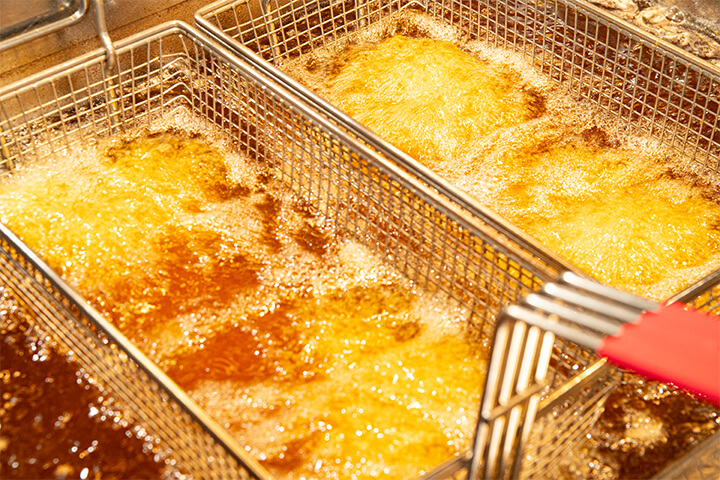
The financial fallout for restaurants is multifold. The immediate and most obvious loss is the revenue from your renderer’s rebate program, which can amount to hundreds of dollars per month depending on your volume.
As we mentioned, theft often leads to container damage, spills, and cleanup costs. In some cases, thieves have also been known to target indoor filtration systems, resulting in expensive equipment damage and operational disruption. The aggregate loss to the industry is significant, with estimates reaching tens of millions of dollars annually.
Restaurant operators should stop treating used cooking oil as trash and start seeing it for what it is: a high-value, target commodity. Protecting this asset requires a multi-layered, rigorous security protocol.
The best line of defense is securing your assets, your location, and training your staff to remain vigilant.
Don’t Leave the Gate Open for Them

Upgrade Storage: Replace flimsy, easy-to-access drums and open barrels with purpose-built, tamper-proof, fully enclosed steel grease containers. These units have heavy-duty, steel lids with factory-welded padlock hasps.
The Right Lock: A basic hardware store padlock is seen as an invitation to steal. Instead, try shrouded padlocks with boron-steel shackles. The shackle is covered by the lock body, making it very difficult for a thief to get a bolt cutter around it quickly.
Anti-Siphon Measures: Use modern containers that have internal anti-siphon baffles or screening installed beneath the lid’s opening. This simple physical barrier slows down the thief’s ability to drop a high-flow hose straight into the oil.
Pipe Protection: If your system uses exterior piping for oil transfer, secure it with pipe locks, which are specific steel collars and lock mechanisms that prevent unauthorized access to the siphon point.
The Corral: In many cases, outdoor storage is unavoidable, so the tank must be inside a secure, high-walled enclosure or fenced corral with a solid, steel gate and a matching high-security lock. This forces thieves to bring bolt cutters and creates a multi-step breach that increases their time on site, which is a huge deterrent for UCO thieves.
Remove All Doubt That the Area Is Monitored
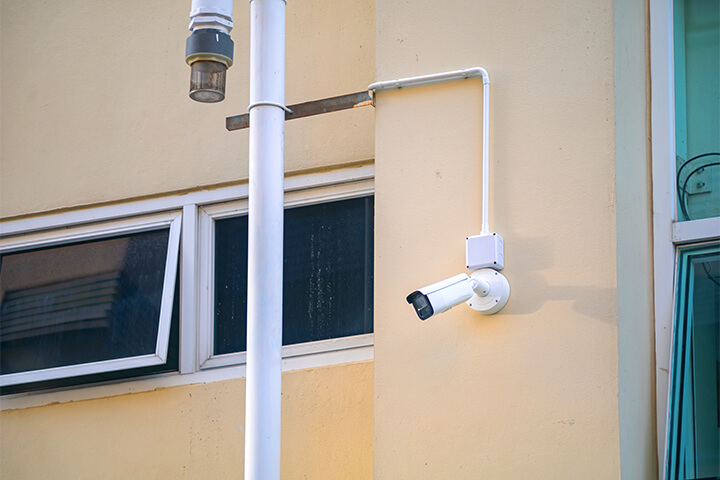
High-Intensity Lighting: Thieves hate spotlights. Install commercial-grade, motion-activated LED floodlights that fully illuminate the grease collection corral and the access driveway. The abrupt burst of light is a powerful deterrent and ensures any camera footage is usable.
HD Surveillance: Mount at least two High-Definition (HD) security cameras with night-vision and license plate recognition (LPR) capability. Focus one camera directly on the grease container; the second camera should cover the entry/exit point to capture the vehicle’s license plate and a clear view of the suspects.
Fine Tune Your Defense Plan

Vet Your Hauler: Get to know your hauler by inviting them in for a chat and a meal on the house. Work exclusively with licensed, reputable, and local grease collection companies. Know their schedule, their specific truck markings (logo, color, serial number), and their drivers. Some legitimate haulers are now providing staff with ID badges that have scannable QR codes for instant verification.
Audit and Log: Implement a daily or nightly log of the grease tank level. If you have an exterior gauge, staff should check the reading and log it.
Schedule Smarter: Since a full tank of UCO is a massive target for these crews, work with your hauler to arrange more frequent pickups. Keeping your inventory of liquid gold low reduces the incentive for theft.
Arm Your Employees With Protocols: Train all staff on the tell-tale signs of fake collectors including unmarked trucks, non-uniformed personnel, vehicles with out-of-state or no license plates, or any collection happening outside of your contracted schedule.
Also, train them on protocol if they are onsite during the theft. To protect your staff, instruct them to avoid confrontations with the crew. Instead, they should immediately call a manager and then the local police. Train them to get a license plate number, a vehicle description, and a timestamp.
The Small Investment That Stops Big Losses

In the end, this black market isn’t going away as long as biodiesel remains a lucrative resource. The cost of a few extra security cameras, better locks, and staff time is a small investment compared to the loss of thousands of dollars in stolen oil, property damage, potential environmental fines, and the sheer aggravation of dealing with this crime.
Do you have experience with UCO theft? Tell us about it in the comment section!
